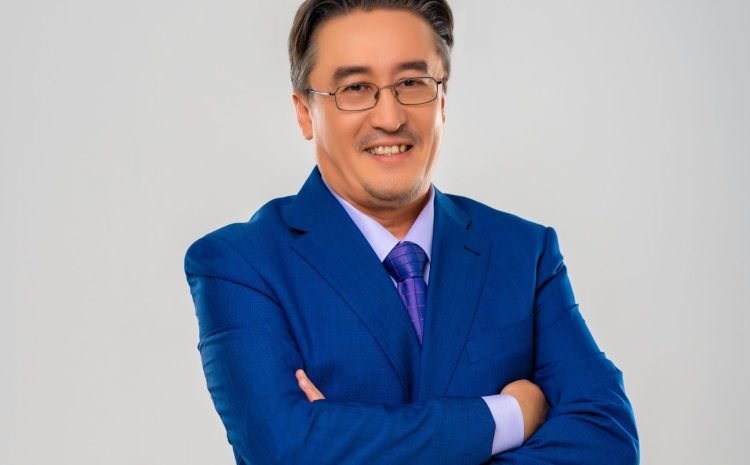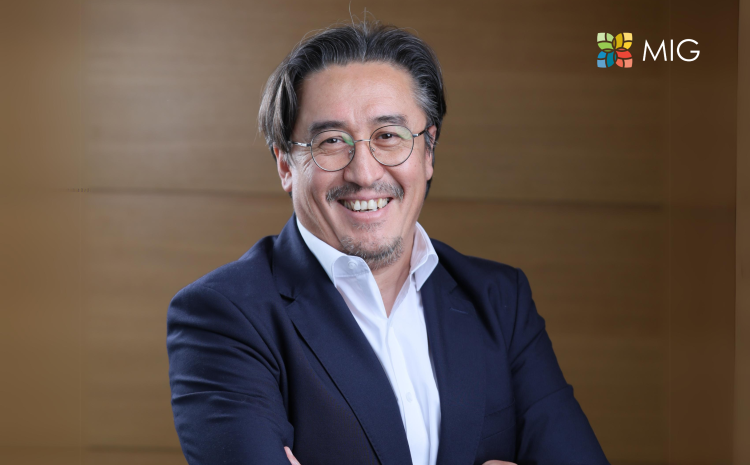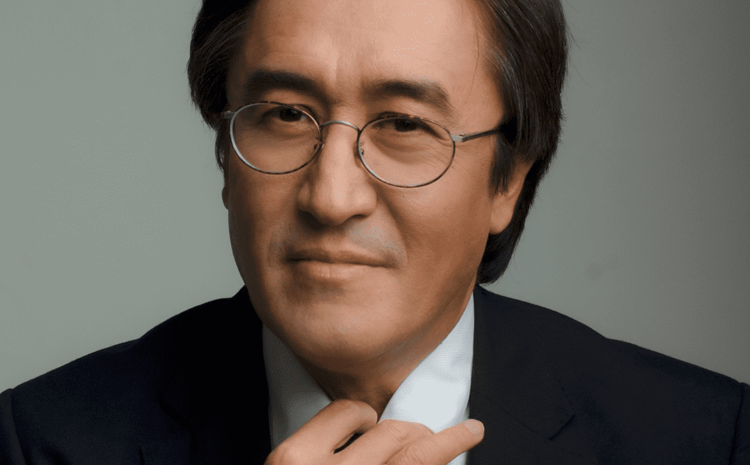
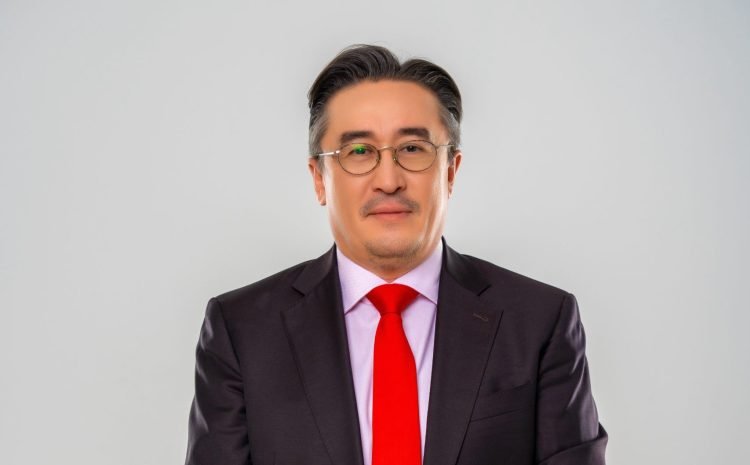
In a recent interview, Oybek Khalilov, CEO of Mosaic Insurance Group (MIG), shared insights on the company’s rapid growth and the unique opportunities in Central Asia’s insurance market. Founded in 2021 and based in Uzbekistan, MIG has seen a remarkable 600% average annual growth in Gross Written Premium. With a B1 rating from Moody’s, backed by strong reinsurance partners and an A++ local rating, MIG stands out as the only Western-styled insurer in the region, providing international standards of governance and transparency. Khalilov emphasized the company’s commitment to filling the insurance void left by global insurers after the 2008 financial crisis, serving both local markets and international reinsurance. With plans to have 50% of GWP from international reinsurance by 2024, MIG is poised to expand its influence while maintaining a strong focus on risk management and capital adequacy.
Category: Interview
Professional Challenges and Accounting Standards in Uzbekistan’s Insurance Industry with Adelya Babikova
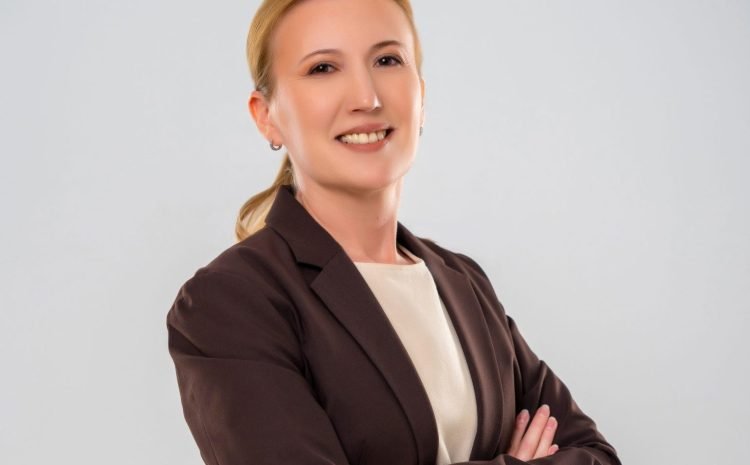
Adelya Babikova, the Chief Accountant at Mosaic Insurance Group, shares key aspects of applying IFRS (International Financial Reporting Standards) to insurance contracts. In the interview, she explains how companies in Uzbekistan face challenges in complying with these international financial standards. She emphasizes the importance of accurately assessing future cash flows, separating insurance income and expenses, and ensuring transparency in financial reporting. Adelya also talks about her over 20 years of professional experience and her commitment to continuous development in a rapidly changing business environment.
Digitalization in Insurance: Transparency, Fraud Prevention, and Enhanced Customer Experience
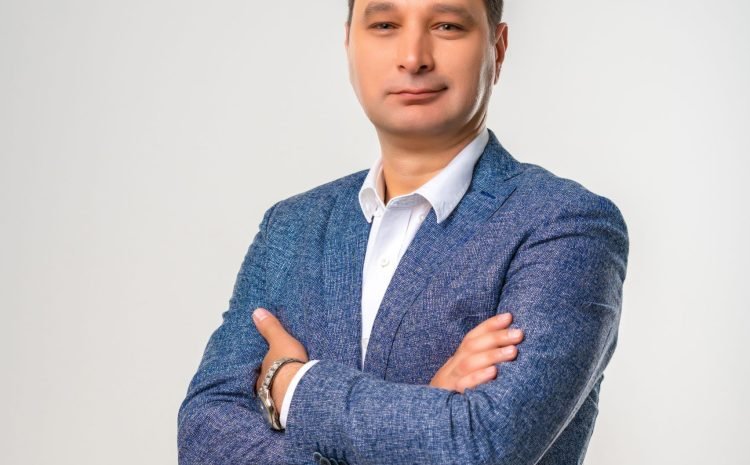
In an interview with Farkhod Usmanov, Internal Auditor at Mosaic Insurance Group, three key topics are discussed — digitalization in insurance, business transparency, and fraud prevention. Mr. Usmanov emphasizes that the implementation of digital solutions not only automates processes and improves customer service but also ensures transparency for both clients and regulatory authorities. With the help of modern technologies and a unified platform, Mosaic Insurance Group successfully minimizes risks and builds greater trust with its clients.
Insurance Claims Management: From Registration to Data Analysis by Azamat Khaidarov
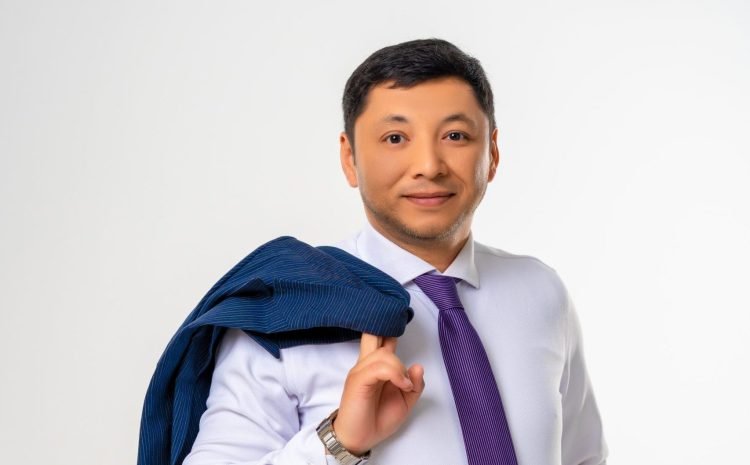
When an insurance claim arises, it is crucial that the settlement process is both swift and transparent. Azamat Khaidarov, Insurance Claims Manager at Mosaic Insurance Group, emphasizes that each phase—from filing a claim to disbursing compensation—is meticulously monitored to ensure optimal protection of the client’s interests.
“Our objective is to streamline the claims process, making it as seamless as possible for our clients. We go beyond merely collecting documentation; we conduct a thorough evaluation of each claim to guarantee equitable compensation. Our claim management system enables us to capture the entire lifecycle of a case, recognize patterns, and develop more effective insurance solutions moving forward,” Mr. Azamat explains.
Through this meticulous approach to handling insurance claims, Mosaic Insurance Group not only delivers exceptional service but also fosters a sense of security and confidence in our clients about their future.
Mr. Oybek Khalilov’s insights into the future of insurance in Uzbekistan
Mr. Oybek Khalilov envisions a promising future for Uzbekistan’s insurance industry, emphasizing its critical role in mitigating losses and bolstering economic stability. With over 30 years of international experience, he highlights the growing frequency of catastrophic events like floods and earthquakes, which could result in annual losses of up to $2 billion, or 2.7% of GDP.
“We offer a wide range of insurance products, including Voluntary Health Insurance” – Oybek N. Khalilov
The insurance sector of Uzbekistan is demonstrating impressive growth rates, significantly outpacing the country’s GDP growth. From 2018 to 2023, the compound annual growth rate of the insurance market was 16.6%, which is several times higher than the growth rate of GDP. In an interview, the CEO of Mosaic Insurance Group, Oybek N. Khalilov shared the key factors contributing to dynamic growth, strategic direction, as well as future target and plans.
What health insurance products do you provide to your clients?
We offer a wide range of insurance products, including infectious disease, critical illness, COVID-19, and voluntary health insurance. We strive for high quality service and provide individual solutions for each client.
Oybek N. Khalilov
At the end of 2023, the insurance market of Uzbekistan the GWP was 65.1 billion UZS in the second class – health insurance and 11.2 billion UZS in the 18th class – medical insurance.
How do you evaluate the company’s results in this context?
According to reports for 2023, we were the only insurance company operating under the 18th class of insurance.
Oybek N. Khalilov
Losses on health insurance in the market amounted to 34 billion UZS in 2023. Based on the average market loss ratio for VHI of 65%, it can be revealed by expert analysis that the volume of VHI premiums is 57.23 billion UZS, and our company’s share is 20% of the market, while our company’s share in insurance compensation according to VHI is 8.6% of the market.
What strategic principles allowed the company to achieve such results?
From the first days of the company’s founding, VHI has been and remains a key area for us. We plan to increase the company’s market share to 30% by 2026.
Oybek N. Khalilov
We are tailoring and improving the principle of a client-oriented approach, as well as personal supervision of all complaints with Consumer Lines Insurance Director – Dinara Karieva.
We actively participate in tenders and selections, with our impressive reference list of completed and ongoing projects. We provide flexible prices and individual solutions for each individual client. Of course, having the UzA++ rating helps us a lot. All of the above together helps us win up to 80% of tenders.
How does the company plan to maintain the confidence of foreign investors in the local insurance market?
We, as a foreign company, are the only one on the Uzbekistan market with 100 percent foreign authorized capital to offer services in such a high-loss business line, actually proving our solvency through the quick and fair settlement of insurance claims. We pay in accordance with insurance programs.
Oybek N. Khalilov
Our goal is to increase the confidence of foreign investors by providing quality services and proving our solvency. We resolve insurance claims quickly and fairly, as evidenced by our work with large foreign clients, such as companies with American, Chinese, Korean, Turkish, Arab, Indian and European investments.
What are your next plans?
In the medium term, we plan to increase our market share to 30%, while maintaining the loss ratio at an acceptable level. We will continue to improve the quality of customer service and actively participate in tenders. The extension of income tax benefits will also support our growth by helping to insure all of our clients’ staff without their written consent, eliminating the risk of only insuring insureds who have health complaints.
What would you like to say to potential clients and partners?
We are confident in our ability to provide high-quality insurance services, and invite all interested clients and partners to cooperate. We strive for long-term and mutually beneficial relationships based on trust and professionalism.
CEO Mr. Khalilov on Presidential Resolution
Akhborot 24 | Comment by CEO of Mosaic Insurance Group – Oybek N. Khalilov to the Presidential Resolution “On comprehensive measures for the further development of the insurance services market”
Interview with Oybek Nosirovich Khalilov, General Director of Mosaic Insurance Group
Could you give us brief description of what is financial lines insurance?
First of all, financial lines stands for insurance products which cover the financial losses and costs associated, losses not related to other personal property damages. Usually, financial lines insurances will include the risks like directors’ and officers’ liability, cybercrime, and bankers blanket bonds.
What is D&O insurance? Why D&O insurance is important for corporates?
D&O is a well-known concept globally in the insurance market. Most of the countries the leaders, the managers, the directors and officer, the “C” level officers, they wouldn’t even take the job if they don’t have an insurance. Basically this covers the risks related to the financial losses and risks brought by the third parties against the decisions made by directors and officers of the company. It is essential to have this policy not only for the good governance purpose but also it helps to improve the management decisions, the managers don’t have to be afraid of huge financial burden on their personal accounts if they make a wrong decisions.
What is the advantage of MIG in terms of financial lines insurance? Why people should choose MIG over other insurance companies?
First of all, we are the first local insurer who is underwriting D&O policy, the other Uzbekistan insurance companies; they issue D&O polices not themselves but representing international players. So they do not write the business themselves, they just front it. We have our own professional underwriters and we are building our expertise based on local knowledge and statistics and we are trying to analyze those risks which are covered. The current environment in Uzbekistan is very unique for Uzbekistan itself, so we cannot just take overseas products and we have to adjust them to local environment even though I am for 22 years used to work in AIG, and AIG is one of the main leaders in financial lines.
What is D&O insurance? Could you further explain why it is important?
The Law of RU “On Joint-Stock Companies and protection of shareholders’ rights” clearly states that the manager bears personal responsibility for the decisions he makes. That is, if as a result of his erroneous or negligent actions damages the interests of third parties, he may be sued or claim from the company, shareholders, employees, creditors, customers, the regulator and another third person may appear.
D&O insurance policies offer third-party liability cover for company managers to protect them from claims which may arise from the decisions and actions taken within the scope of their regular duties.
And the cause of the claim can be any mistaken decision in the management of the company, starting with errors, inaccuracies in the financial statements, prospectuses; Non-observance of the procedure for conducting major transactions, incorrect disclosure of the stated material facts, incorrect evaluation of investments and transactions; intended misuse of information or copyright, etc.
D&O policies cover the personal liability of the company directors and officers as individuals (Side A cover), but also the reimbursement of the insured company in case it has paid the claim of a third party on behalf of its managers in order to protect them (Side B or Company Reimbursement Cover). Listed stock companies can also obtain cover for claims against the company itself for a wrongful act in connection with the trading of its securities (Side C or Securities Entity Cover).
4. How does the D&O insurance work? Could you explain further with some example?
In order to better understand the essence of D&O insurance, we give an example of how a policy works in a specific situation, often encountered in practice: A shareholder who acquired 30% of the shares of the joint stock company sent a public offer to the other shareholders for the acquisition of their shares (mandatory offer). Simultaneously with this offer, the Board of Directors sent its shareholders recommendations, developed without taking into account the opinion of the independent auditor. The minority shareholder accepted the mandatory offer based on the information received from the board of directors, and sold the securities. Subsequently it was found out that the cost of selling these shares was significantly less than the market value, as a result of which the shareholder filed a lawsuit against the members of the board of directors to recover damages caused to him. The court made a decision to recover damages in favor of the plaintiff in the amount of the difference between the acquisition price and market value.
Another example of an insurance event was a Russian company listing in the US, became a subject of an antimonopoly investigation in Russia, which caused a significant drop in the rate of its shares. American shareholders (mainly funds) recorded losses and despite the fact that the original reason was already settled in Russia, filed lawsuits against the directors of the Russian company for incomplete disclosure of information. The Russian issuer was forced to spend almost three years in the US court, and despite the fact that the claim was rejected as a result, he incurred about $ 2 million in defense costs. The client was fully justified – he did not have to pay a refund. Nevertheless, the insurance company paid the costs of protecting its client, who at one time safely insured its financial risks by buying an international policy D&O.
Common D&O risk scenarios are:
· Employment Practices & HR issues
· Shareholder actions
· Reporting errors
· Inaccurate or inadequate disclosure
· Misrepresentation in a prospectus
· Decisions exceeding the authority granted to a company officer
· Investigations into compliance with regulations or laws
So that means the D&O insurance cover legal costs arising from the incident?
From the examples we see that, despite the fact that the policy is called liability insurance, in fact it is insurance of expenses that the client can incur as a result of bringing a suit to him. So often it turns out that the costs of lawyers and the conduct of cases in court exceed the reparation itself, which was determined by a court decision. At the same time, it is worth noting that the policy covers not only the costs of reimbursement of damages, but also other expenses that may arise in the insured person during the consideration of charges brought against him for criminal and administrative violations in court, these are the costs of the investigation, Expenses for reputation restoration and other emergency expenses.
The law says the manager bears personal responsibility for the decisions he makes. So what are the risks faced by the management of the corporation?
It should also be noted that the risk of the CEO of the company increases due to the fact that he is potentially responsible for any actions or omissions of the company. Even if he himself did not personally participate in the decision (and / or did not know about it) and the corresponding actions or inactions were committed by other officials or employees of the company, the risk lies with the leader by default.
The risks faced by members of the boards of directors and boards are constantly growing. Risks arise in the course of the daily activities of the company. And in order to reduce the negative consequences of negligence or negligence of management and make up for financial losses in case of incorrect decisions, the protection instrument comes into force as D&O policy.
How did D&O insurance come to popularity? What are the international practices?
If you go deeper into history, back in the 30s of the last century the leaders of big business thought about the risks associated with their personal responsibility. During the Great Depression of the 30s two important legislative acts were adopted in the USA: the Securities Act of 1933 and the Investment Law of 1934, which established personal responsibility of directors for wrong actions, and companies had no right to compensate losses to their directors. So the market was offered a unique product to protect the personal financial interests of directors. And although insurance did not gain wide popularity, the need for insurance was recalled a little later.
In 1940-1950-ies in the United States, a number of laws were passed allowing corporations to enter into agreements with their directors to compensate them for damages. Such agreements began to reflect in the financial statements as additional obligations, and the companies began to seek the possibility in any way to remove this risk. The insurers remembered the almost forgotten product “Protection of personal finances”, slightly upgraded it and offered the market D&O liability insurance policy.
Since the mid-50s the number of D&O policies in the US is steadily growing. If in 1965 this policy was acquired by 10% of large corporations, then in the 1970s, the number of its customers has grown to 70-80%. Following the United States, European companies are actively starting to buy this insurance. To date, in the West, almost 100% of public companies have protection under the D&O policy.
In your opinion, what risk factors are faced by directors on Uzbekistan?
Returning to Uzbekistan, it should be said that there were cases of claims against the directors, but no official information, whether these losses were reimbursed. In Uzbekistan, unfortunately, there is legal illiteracy of leading employees. But, ignorance of the legislation does not absolve anyone from responsibility. To date, in our country, the practice of presenting a claim specifically to an official, and not to the company itself, has not yet developed, but it is obvious that raising the standards of information disclosure by issuers in Uzbekistan will inevitably lead to an increase in the level of risk of managers’ liability.
I want to think positively and believe that Uzbekistan will nevertheless fit into the global insurance practice with clear criteria and requirements for managers that will allow them to be held accountable for their wrong actions, which will undoubtedly affect the quality of corporate governance in companies and on the economic system of Uzbekistan as a whole.
What is not covered?
A D&O policy does not cover fraudulent, criminal or intentional non-compliant acts. Nevertheless, innocent directors remain fully covered if they are co-defendants, even if the acts of their colleagues were intentional and fraudulent.
D&O will also not cover cases where directors obtained illegal remuneration, or acted for personal profit. All activities which are covered by another insurance policy, such as Professional Indemnity, are either excluded in D&O policy or the D&O cover is only provided after erosion of that other policy.
Other common D&O exclusions are: Property damage and bodily injury; Legal action already taken when the policy begins; Claims made under a previous policy; Claims brought by one insured against another insured; Claims alleging Environmental damage.
Does D&O insurance encourage managers to behave negligently?
No. D&O is not a blank check for bad behavior. This frequently made assertion is not specific to D&O but rather has to do with the basic issue of liability cover, and yet opinion leaders who demand that managers should “get what they deserve” eclipse the real facts: no amount of research can show that managers behave any less responsibly when insured by a D&O policy.
The opposite is true. The process of a public lawsuit and financial losses, the possibility of corporate and personal reputational losses and all the other pains that accompany a claim made against a manager are a major deterrent. A D&O policy does not automatically cover all these losses, as they are quite complex and largely outside its scope.
Furthermore, D&O insurance enables the insurance industry and regulators to collect objective data about acts that lead to claims and to better monitor these trends.
Limits and personal deductibles allow insurers to adjust their policies to individual persons or companies as well, leading to better corporate governance.
In an environment of ever-tightening management liability regulations, D&O cover therefore provides an essential tool for both steering good business practice and handling the growing risks directors and officers face.