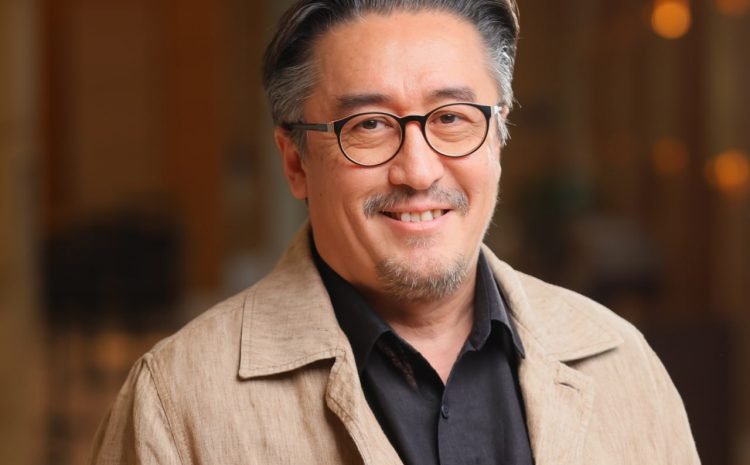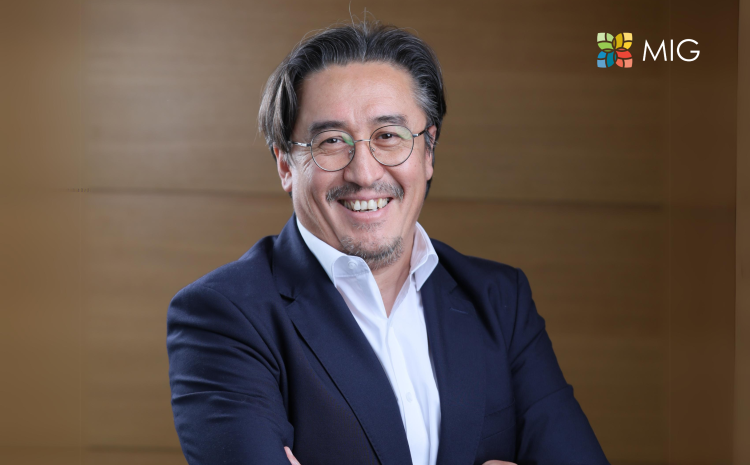
In an exclusive conversation, Oybek Khalilov emphasized that Mosaic’s success is built on transparency, innovation, and a strong international team. Today, Mosaic Insurance Group stands as Uzbekistan’s first fully foreign-owned insurance company, licensed across all 18 non-life classes and rated uzA++ for solvency and stability.
Full interview available here: https://caravan-info.uz/ru/interview/624575-shest-let-stremitelnogo-rosta-istoriya-uspeha-uzbexkogo-strahovaniya-exlyuziv.html
Category: Articles
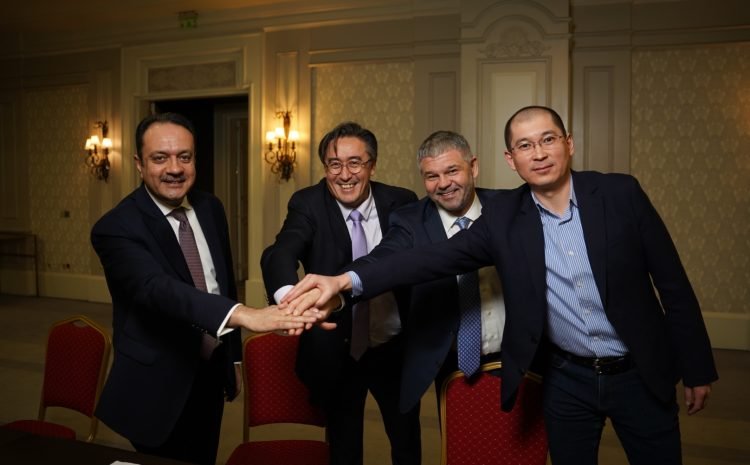
Strategic Implications of the AmCham Central Asia MoU: A New Era for Regional Business Integration
The signing of the Memorandum of Understanding (MoU) by AmCham leaders from Kazakhstan, Kyrgyzstan, Tajikistan, and Uzbekistan represents a pivotal moment in the economic evolution of Central Asia. This landmark initiative goes beyond a symbolic agreement—it lays the foundation for a structured, institutionalized business framework that will shape cross-border investment, trade policies, and corporate governance in the region for years to come.
Why This MoU Matters
- Institutionalization of the Regional AmCham Network 2.0
Historically, business chambers in Central Asia have operated independently, often facing challenges in synchronizing their efforts across borders. By adopting a regional model inspired by AmCham EU, AmCham Middle East, and the Asia Pacific Council of AmChams, this initiative will standardize economic policies, investment incentives, and corporate advocacy—leading to a harmonized business environment.
New Era of Cross-Border Investment: The MoU sets a precedent for businesses expanding beyond national markets—reducing bureaucratic hurdles and enhancing legal transparency for foreign direct investments (FDI).
Sector-Specific Coordination: By aligning industry best practices, particularly in insurance, energy, finance, and technology, the initiative fosters a regional economic bloc with increased global competitiveness.
2. Architecting a Unified Business Vision: Strengthening Regional Cooperation
The AmCham Central Asia initiative is a strategic step toward fostering a more integrated and resilient business environment across the region. By enhancing cooperation among AmCham chapters, this initiative aims to create a more attractive landscape for global investors and businesses.
🔹 Insurance & Risk Management for Mega-Projects
A key component of regional economic growth is ensuring that large-scale projects in construction, energy, and infrastructure have access to robust risk management and reinsurance solutions. Strengthening these mechanisms enhances financial security, encourages foreign direct investment, and supports long-term project sustainability.
🔹 Policy Advocacy for International Standards
Aligning regulatory frameworks with international best practices, such as Solvency II principles, contributes to a more predictable and transparent business environment. By promoting risk-based capital requirements and regulatory consistency, this approach enhances investor confidence and facilitates smoother cross-border economic collaboration.
Through collective action and strategic alignment, AmCham leaders are working toward a more connected and investment-friendly Central Asia, fostering regional stability and long-term economic growth.
- Key Policy Areas Addressed: Future-Proofing Central Asia’s Economy
Beyond traditional business networking, the MoU sets a precedent for deep institutional reforms in several critical areas:
✔️ ESG (Environmental, Social, and Governance) Standards – Introducing sustainable investment criteria into cross-border projects to align with global corporate responsibility trends.
✔️ Cybersecurity & Digital Economy – Tackling data protection and cross-border cybersecurity concerns to facilitate the safe expansion of digital financial services.
✔️ FDI & Trade Policy Harmonization – Creating a regional investment roadmap that standardizes tax incentives, legal protections, and trade dispute resolutions.
- U.S. & European Engagement: Strengthening Global Economic Linkages
The MoU is not just about Central Asia—it aligns with broader U.S.-Central Asia trade relations and Europe’s growing interest in the region.
Connecting with AmCham EU & the U.S. Business Community: Central Asian AmChams can now collaborate with multinational corporations (MNCs) through structured engagement programs.
B5+1 Initiative Integration: This initiative strengthens regional economic diplomacy by creating a unified voice for Central Asia in high-level negotiations with the United States.
The Road Ahead: Turning Strategy into Execution
The real test of this MoU will be implementation. The success of this initiative depends on:
🔹 Creating measurable KPIs (Key Performance Indicators) for cross-border projects
🔹 Building a centralized AmCham data platform to track business expansion trends
🔹 Launching a permanent regional AmCham office for operational efficiency
🔹 Securing funding from international financial institutions (IFIs) to support long-term projects
This is just the beginning. Central Asia is no longer just an emerging market— the region is well-positioned to unlock its full economic potential.
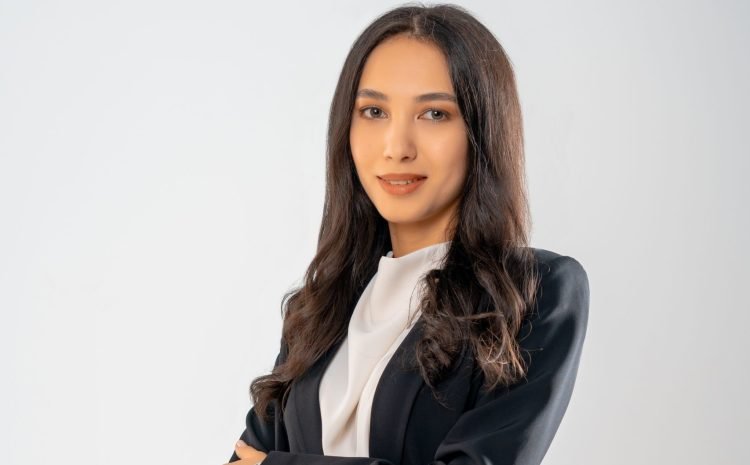
Building a Global Footprint: Nozima Khashimova on Mosaic Insurance Group’s Growth and Future Goals
Nozima Khashimova, a Commercial Lines Underwriter at Mosaic Insurance Group, shares insights into her five-year journey in insurance, with a specific focus on underwriting foreign inward risks. Mosaic Insurance, although relatively new, has quickly established itself as a trusted reinsurer in both local and international markets, working with nearly all local insurers and collaborating with leading international brokers such as AON, UIB, and WILLIS. The company’s reinsurance portfolio has grown significantly, with premiums rising from $620,000 in 2023 to $1 million by mid-2024. This growth is supported by strategic partnerships across Southeast Asia, Eastern Europe, and Latin America. With a newly acquired Moody’s international rating, Mosaic is now looking to expand further into Australia and Africa, aiming to capitalize on new market opportunities. Nozima, recently awarded the CII certificate, credits her professional development to the robust support and expertise at Mosaic, as she continues to contribute to the company’s ambitious growth in the global insurance landscape.
The Role of Insurance in HoReCa: How to Protect the Hotel Business from Risks
Asal Temirkhodjaeva, Commercial Lines Director at Mosaic Insurance Group, shares key aspects of insurance in the HoReCa sector, with a particular focus on the hotel industry. In the interview, Asal provides an in-depth look at the insurance policies needed to protect hotel properties from various risks, including property damage, business interruption, and terrorism threats.
Mosaic Insurance Group goes beyond simply providing coverage — the company offers clients long-term partnerships and support in all circumstances, ensuring safety and financial protection.
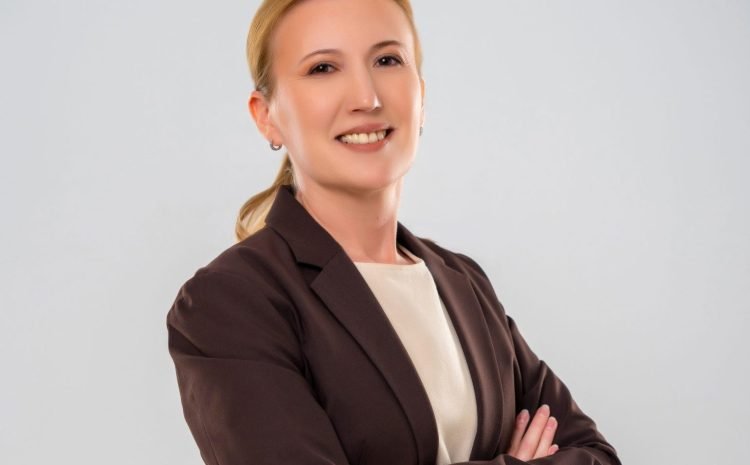
Professional Challenges and Accounting Standards in Uzbekistan’s Insurance Industry with Adelya Babikova
Adelya Babikova, the Chief Accountant at Mosaic Insurance Group, shares key aspects of applying IFRS (International Financial Reporting Standards) to insurance contracts. In the interview, she explains how companies in Uzbekistan face challenges in complying with these international financial standards. She emphasizes the importance of accurately assessing future cash flows, separating insurance income and expenses, and ensuring transparency in financial reporting. Adelya also talks about her over 20 years of professional experience and her commitment to continuous development in a rapidly changing business environment.
“We offer a wide range of insurance products, including Voluntary Health Insurance” – Oybek N. Khalilov
The insurance sector of Uzbekistan is demonstrating impressive growth rates, significantly outpacing the country’s GDP growth. From 2018 to 2023, the compound annual growth rate of the insurance market was 16.6%, which is several times higher than the growth rate of GDP. In an interview, the CEO of Mosaic Insurance Group, Oybek N. Khalilov shared the key factors contributing to dynamic growth, strategic direction, as well as future target and plans.
What health insurance products do you provide to your clients?
We offer a wide range of insurance products, including infectious disease, critical illness, COVID-19, and voluntary health insurance. We strive for high quality service and provide individual solutions for each client.
Oybek N. Khalilov
At the end of 2023, the insurance market of Uzbekistan the GWP was 65.1 billion UZS in the second class – health insurance and 11.2 billion UZS in the 18th class – medical insurance.
How do you evaluate the company’s results in this context?
According to reports for 2023, we were the only insurance company operating under the 18th class of insurance.
Oybek N. Khalilov
Losses on health insurance in the market amounted to 34 billion UZS in 2023. Based on the average market loss ratio for VHI of 65%, it can be revealed by expert analysis that the volume of VHI premiums is 57.23 billion UZS, and our company’s share is 20% of the market, while our company’s share in insurance compensation according to VHI is 8.6% of the market.
What strategic principles allowed the company to achieve such results?
From the first days of the company’s founding, VHI has been and remains a key area for us. We plan to increase the company’s market share to 30% by 2026.
Oybek N. Khalilov
We are tailoring and improving the principle of a client-oriented approach, as well as personal supervision of all complaints with Consumer Lines Insurance Director – Dinara Karieva.
We actively participate in tenders and selections, with our impressive reference list of completed and ongoing projects. We provide flexible prices and individual solutions for each individual client. Of course, having the UzA++ rating helps us a lot. All of the above together helps us win up to 80% of tenders.
How does the company plan to maintain the confidence of foreign investors in the local insurance market?
We, as a foreign company, are the only one on the Uzbekistan market with 100 percent foreign authorized capital to offer services in such a high-loss business line, actually proving our solvency through the quick and fair settlement of insurance claims. We pay in accordance with insurance programs.
Oybek N. Khalilov
Our goal is to increase the confidence of foreign investors by providing quality services and proving our solvency. We resolve insurance claims quickly and fairly, as evidenced by our work with large foreign clients, such as companies with American, Chinese, Korean, Turkish, Arab, Indian and European investments.
What are your next plans?
In the medium term, we plan to increase our market share to 30%, while maintaining the loss ratio at an acceptable level. We will continue to improve the quality of customer service and actively participate in tenders. The extension of income tax benefits will also support our growth by helping to insure all of our clients’ staff without their written consent, eliminating the risk of only insuring insureds who have health complaints.
What would you like to say to potential clients and partners?
We are confident in our ability to provide high-quality insurance services, and invite all interested clients and partners to cooperate. We strive for long-term and mutually beneficial relationships based on trust and professionalism.
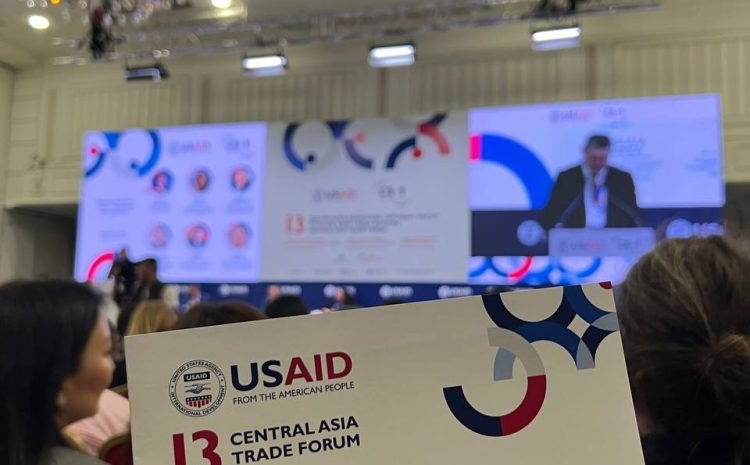
MIG at CATF 2024
The 13th Central Asia Trade Forum (CATF) with the support of USAID is set to redefine regional commerce by exploring its potential, hurdles, and innovations. From May 14 to 15, 2024, at the Rixos Hotel Almaty in Kazakhstan, experts decoded trade regulations, unveiled new markets, and optimized transport and logistics. The event included a B2B and Trade Exhibition showcasing Central Asian industries and a regional meeting of National Trade Facilitation Committees.
Themes discussed on the Forum:
- Seizing New Opportunities
- Trade Opportunities and Market Exploration
- Charting New Horizons
- Trade Connect: Bridging Globally
- Logistics Excellence
- Expanding Beyond Borders
Asal Temirkhodjaeva – Director of Commercial lines at Mosaic Insurance Group joined the Forum for a transformative discussion shaping the future of Central Asian trade.

Mosaic Insurance Group: Closing the Catastrophic Risk Protection Gaps
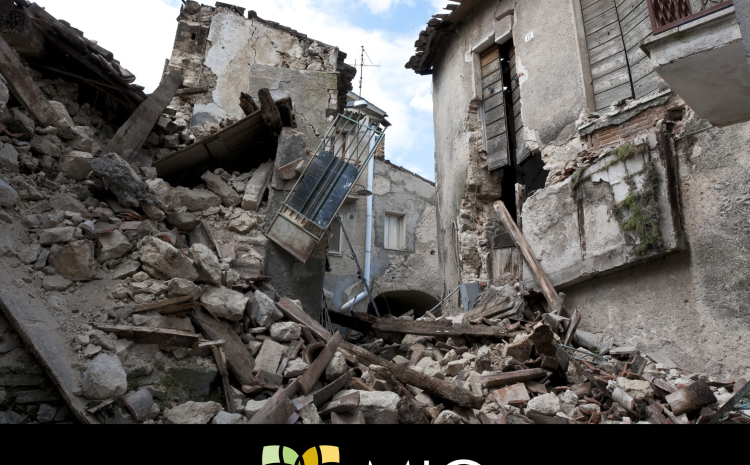
Following the catastrophic Kahramanmaraş earthquake that rocked Turkey and spread its impact to neighboring regions, Mosaic Insurance Group was the only insurance company in Uzbekistan to cover the losses incurred, Mosaic played a key role in providing financial assistance and providing stability to those affected by the seismic shock, occurred on February 6, 2023.
The scale of destruction caused by the earthquake is difficult to overestimate. The earthquake zone, covering an area of about 350,000 square kilometers, left a trail of destruction that directly affected an estimated 9.1 million people. Unfortunately, about 46,000 people died in Turkey alone, with the brunt of the disaster falling on the provinces of Hatay and Kahramanmaraş. In these areas, the human toll was staggering, with an estimated 21,900 and 12,600 deaths respectively.

The physical damage reflects the human tragedy in all its enormity. Turkey’s Disaster and Emergency Management Presidency (AFAD) reported that some 280,000 buildings were damaged to the point of being reduced to rubble, while another 710,000 structures suffered severe damage.
The earthquake’s impact reverberated far beyond Turkey’s borders, highlighting the interconnectedness of regional risks and the need for joint efforts to create pools with sufficient capacity to cover such risks.
For Mosaic, the disaster provided an opportunity to learn and improve. Lessons learned from the Kahramanmaraş earthquake series have served as a catalyst to better understand and assess risks and improve insurance solutions.
PERILS AG recently updated its estimate of losses in the insured property market due to the earthquake to TRY 117.0 billion, equivalent to approximately US$6.2 billion at February 2023 exchange rates. These figures provide a sobering reality check, especially given the evolution of loss estimates over time. Initially estimated at 65.4 billion Turkish lira six weeks after the event, subsequent estimates were constantly revised upward, highlighting the enormity of the disaster’s consequences.

Mosaic Insurance Group is today the only insurance company in Uzbekistan covering catastrophic risks incurred by Turkey in February 2023. To date, the company has already paid 300,892.12 euros for losses related to the earthquake. With further payments expected in 2024, Mosaic Insurance Group’s commitment to providing support during the crisis demonstrates its role as a trusted partner in the insurance industry.
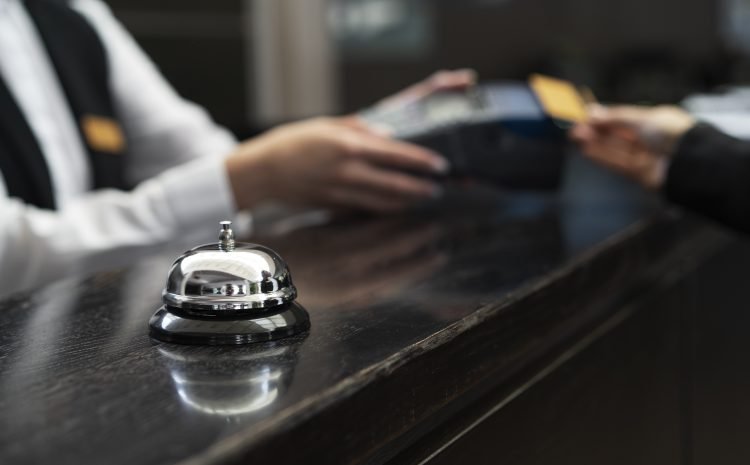
Insurance in hospitality business
Today, the hospitality business is increasingly gaining momentum and occupies an important place in the modern economy. In Uzbekistan this industry is the most dynamically developing and very profitable, successfully growing annually by 15–20%.
Modern hospitality business is a multifunctional system, a diverse business structure, constantly changing in unforeseen situations, various risks constantly accompany the business. As a result of economic development, there is already one answer to the growing unpredictability of the business environment – insurance as an effective method of risk management. The practice of insurance came to Uzbekistan from Western insurance companies. In most cases, policyholders in the Uzbek market attract hotel chains that do not want to risk their image and reputation and do not skimp on insurance services. Today, hotels such as HYATT REGENCY TASHKENT, HILTON TASHKENT, hotel chains RADISSON BLU HOTEL TASHKENT, INTERCONTINENTAL TASHKENT, WYNDHAM TASHKENT, etc. are an indicator of this effective tool for business protection.
The hospitality business is one of the most dangerous industries in terms of insurance risks. Recognition of a high-risk object from an insurance point of view is associated with a large number of changing guests, which increases the likelihood of insurance risks occurring. In those countries where the hospitality industry is the leading industry of the country, the situation even more sensitive, the risks for hotel owners amounts to hundreds of millions of dollars, and insurance is part of their business.
Nowadays, insurance for hotels is important not only during its operation, but also during construction. In this case, the insurance policy for hotels/guest houses consists of two categories:
1. Hotel insurance during construction.
For these purposes, a “Construction and Erection Risk Insurance” (CERI) policy is required. It consists of three parts:
– Protection of property and building materials from risks such as fire, flooding, theft, etc. The consequences of improperly performed work by the contractor, which led to insured events, are also insured here.
– General liability insurance (GL) to a third party. For example, construction materials may accidentally damage a car parked nearby, etc. All activities related to construction and installation work are insured, and an insurance case can occur not only on the construction place, but also outside it. Another common example is causing damage near standing buildings, especially if the facility is being built within a city with dense buildings. It also insures against environmental damage, which is more abroad.
– Losses as a result of delay in commissioning of the facility. Losses can come into effect, in particular, as a result of an insured event (fire, flood, etc.). In this case, during forced downtime, the scenario is to make a profit.
In the insurance market of Uzbekistan, the most popular policies are those covering the first two parts of the product. Meanwhile, the West prefer to insure themselves in all three sections. For example, if the commissioning of the facility occurs as a result of a fire, when all three sections of the policy were purchased, the insurance company pay the customer for the consequences of the damage caused, as well as lost profit. The final payment is not possible if only two sections are purchased. Construction and Erection Risk Insurance (CERI) quickly gained a special place in Europe and the USA.
2. Insurance after commissioning of hotel facility for service.
It is extremely important to purchase two policies: “General Liability Insurance to Third Parties” and “Property Insurance”.
Third party liability insurance is an extremely important component of hotel business insurance. This type is the most traumatic in the service sector. Examples include thievery money and jewelry out of your room, damage to clothes in the laundry or dry cleaning, personal injury (for example, a guest slipping on a wet floor and breaking his arm). etc. This policy is especially important for those hotels where a large number of foreign tourists stay. For example, citizens of Europe or the USA can request significantly higher compensation in case of personal injury, this was the case when an Italian citizen slipped on the wet floor near the pool at the SHERATON TASHKENT hotel. At the result, his injury was not serious, he sued several thousand dollars in his homeland. I can say that chain hotels purchase this policy without fail; foreign hotel chains have developed special insurance standards, without which the hotel cannot enter the chain.
The next policy you should consider to purchase is Property Insurance. This policy consists of three sections:
– Insurance of the business property where operations helps (buildings, equipment, furniture, etc.). Insurance policy cover the risk of fire, explosion, lightning, catastrophic risks, flooding, illegal actions of third parties and other unforeseen events that are not insurance exclusions.
– Insurance of losses from business interruption (Business Interruption Risk). In this case, even if the hotel is temporarily not operated, the owner ensures salaries for employees, utility bills, taxes, etc.
– Terrorism risk insurance. Sometimes this risk is insured as part of a property policy, sometimes as a separate policy. This risk is quite expensive, and its cost is approximately half of the amount of the property policy.
Today, representatives of the hospitality sector, in particular, hoteliers in Uzbekistan, do business without insurance. Large and chain hotels manage their risks, which harm clients and their image, and purchase insurance programs with 100% comprehensive insurance programs to protect their protect clients, and reputation. They have already reached the point that insurance is a natural part of the business process. And every competent manager will always choose insurance as a reliable financial instrument to operate in risk management.
JSC “Mosaic Insurance Group” offers products that protect business owners from unexpected expenses, thus allowing you to preserve the investments made in your business.
It is impossible to be completely confident in the safety of your property, but you can protect it as much as possible from possible risks.