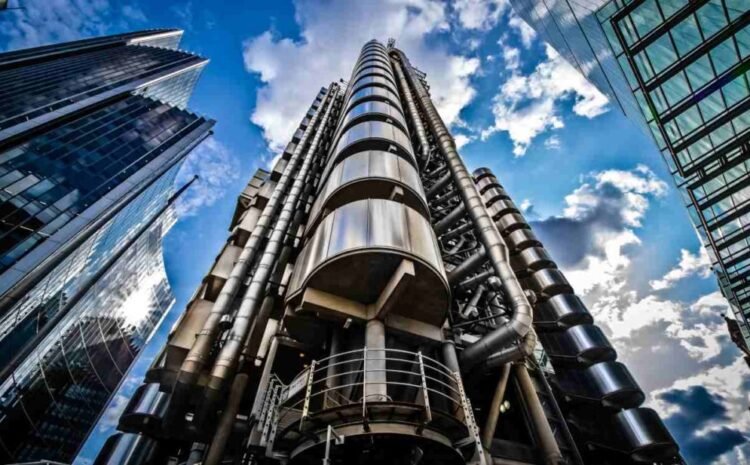
Lloyd’s of London – formation of the national insurance market

Lloyd’s of London, commonly known simply as Lloyd’s, is an insurance and reinsurance market based in London, United Kingdom. Lloyd’s is not an insurance company in the usual sense of the word, but an insurance marketplace where Lloyd’s members meet. It operates as a partially interchangeable marketplace within which multiple financial sponsors, grouped in syndicates, converge to pool and distribute risk. These underwriters, or “members”, are a collection of both corporations and individuals, usually known traditionally as “names”.

The history of Lloyd’s coffee house

Lloyd’s coffee house was an important meeting place in London during the 17th and 17th centuries. It was founded by Edward Lloyd (1648-1713) on Tower Street in 1686. The coffee house was a popular gathering place for sailors, merchants and ship owners at the time. Edward Lloyd collected and provided reliable ship and sea transport news to his visitors.

This cafe formed a community that was involved in shipbuilding and shipping. Therefore, business people often visited this cafe to discuss issues of marine insurance, ship brokerage and foreign trade, to conclude profitable deals and cooperation agreements. Such deals led to the creation of the insurance market Lloyd’s of London, Lloyd’s Register and several associated transport and insurance companies.

In December 1691, the cafe moved to Lombard Street. There Lloyd set up an indoor tribune where prices were announced at auctions, and lots often included ships and shipping. The latest shipping news was also discussed at the cafe.

In the late 1690s, Edward Lloyd began publishing a newspaper, Lloyd’s News, where he reported on the schedule of ships, insurance contracts and agreements that were concluded in the coffee house.

War could bring prosperity to marine insurers

To get good profits, the businessmen of the 18th century did not hesitate to use any methods and did not experience any remorse. British insurance houses did not hesitate to insure even enemy ships in times of war. In view of this, in 1748, the English Parliament issued a law prohibiting the insurance of French ships and cargo, although the Spanish law did not prohibit insurance. However, even this law met with fierce opposition in Parliament. By this time, the insurance business in London had developed so much that insurers even concluded such deals that were nothing more than gambling.

If the risks are high, then the premiums are too. In addition, the first manifestations of the industrial revolution were already making themselves felt. Exports and imports increased 3 times between 1780 and 1800. And this was also reflected in higher insurance profits. Premiums in the Royal Exchange Assurance also tripled. The Napoleonic Wars led to a boom in marine insurance. The number of insurance brokers has grown substantially. During the war, the number of brokers exceeded 2000. In 1802, a new large hall on the Royal Exchange was rented for the placement of the insurance exchange. The new Lloyd’s has evolved from a small coffee house to a national insurance institute.

Competitors are on the heels

Despite Lloyd’s resistance, the Select Committee initiated the end of his monopoly. In 1824, the highly influential group of the City of London, which included the Rothschild, Gurney and Baring, formed the Alliance Insurance Company. In 1844, there were already 7 marine insurance companies operating in Great Britain.

However, Lloyd’s remained the national institution and focal point for all maritime information, widely disseminating this information to all participants. The Office of the Secretary of the Society received a wealth of information from everywhere, processed and published maritime news and events, mainly in his newspaper Lloyd’s List. Since 1811, the society has had its appointed representatives in all seaports of the world, who regularly collected information on all local incidents and reported to London. There was no shortage of such representatives who were ready to work for free, since they were all interested in obtaining other commercial benefits from participation in such a large-scale enterprise. By 1829, the number of such representatives worldwide reached 350, and this number continued to grow.

World Wars and Insurance

The First World War again generated a great demand for insurance of goods at sea and on land against war risks. The government took over 80% of all maritime risks, becoming the insurer of last resort, but leaving 20% to private companies. As a result, private insurance brokers earned large profits while the government lost £ 7.5m in claims.

During World War II, Americans worried that information about sea movements and objects on the ground, which was used by private insurance brokers, could fall into the hands of the enemy, and this could be important intelligence information. In 1942, the United States banned the transfer of information about the movement of ships or factories involved in the production of military products to private brokers.

Insurance trend

Since the 1950s, the demand for insurance services has evolved in two directions. First, the proliferation of automobiles has generated a new car insurance that has become the most prevalent in many countries. And secondly, in the process of the merger of the industrial and financial world, a huge part of the property ended up in the hands of large global corporations, whose insurance needs were different from those of small companies. Large corporations also had enough of their own resources. Another change has been the shift from direct insurance to reinsurance. Many countries have established their own state insurance with monopoly rights and have banned insurance abroad.

In 1982, Lloyd’s already had 20,145 members, almost nine-tenths of whom were citizens of the British Commonwealth. Foreign members were not accepted until 1969.

Notable Lloyd’s Cases


Many insurers took part in the insurance of the Titanic for 1 million pounds sterling in 1912, the insured amounts varied from 500 to 75,000 pounds with a premium of 0.75%. When the Titanic sank, the damage was distributed among all of this multitude of participants.


Late 1980s: Piper Alpha and the LMX spiral

For a long time, Lloyd’s syndicate reinsured another, but when Piper Alpha, North the Sea oil rig exploded on July 6, 1988, causing an initial loss of $ 1.4 billion. This practice became so widespread that the Lime Street underwriters at first did not even know how large their risks were: losses were reported. As the London Market Loss Excess (LMX) spiral and claims value spiral out of control.


The rig operator, Occidental Petroleum, bought the direct insurance policy from Lloyd’s underwriters, who then passed on some of their exposure to other syndicates through reinsurance. These reinsurers then, in turn, reinsured some of the risk to other reinsurance underwriters within Lloyd’s (known as “retrocessionaries”) and so on. Consequently, many syndicates, especially those that charge large amounts of excess loss reinsurance, have been sued for the same claim multiple times through several levels of the spiral. Other disasters, including Hurricane Hugo and the Exxon Valdez oil spill in 1989, have also spiraled. Some of the leading LMX insurers at the time that suffered serious spiraling losses, including numerous syndicates managed by Gooda Walker, Devonshire 216, Rose Thomson Young 255, RJ Bromley 475, and already disputed syndicates 540 and 542 by Patrick Feltrim Fagan. Syndicate 298 Gooda Walker became the first fatal casualty: only 13,500 policies were impacted by the Piper Alpha disaster, his 1989 bill resulted in a 650% power loss; This was followed by the Feltrim 540 with a loss rate of 550%. Roy Bromley of Syndicate 475 later committed suicide after being fired by his Council and reportedly grieved at the mounting losses of his operations.


Not all loss authors succumbed to the LMX spiral; in fact, the spiral was relatively limited to a minority of such syndicates. Notable reinsurers who were left profitable throughout the spiral included syndicates CF Palmer 314, MH Cockell 269/570 and DP Mann 435, while GS Christensen 958 reported only marginal losses in 1989 but decent profits in 1990 and 1991.

Voluntary health insurance for employees

Voluntary medical insurance (VHI) for employees is firmly included in the social package and increases staff loyalty.

Why do employers buy VHI for their employees?

First of all, this is one of the ways to attract and retain decent personnel.

Secondly, every employer is interested in the employee taking care of his health, receiving treatment in a timely manner and returning to the working process faster. Then there will be no problems with a lack of staff, burning projects, overdue deadlines, and so on.

Thirdly, by buying voluntary medical insurance for their employees, the employer increases his value in the labor market and improves his business reputation.

There is still good news, from January 1, 2022 to January 1, 2024, funds allocated by the employer for VHI insurance for their employees are not included in the total income of an individual.

When choose a voluntary health insurance package, consider the following: This is voluntary insurance and the employer decides what the health insurance will cover. It happens that the amount of insurance is very small, then it will not always be possible to get the necessary treatment for free, or only basic services are included in the insurance program – and much of the policy will not be available. For an employee, the whole system works like this: there is a list of medical services that can be obtained under the policy, when there are indications for this. They are listed under the insurance program. If you apply for such medical services, then you do not pay anything: the insurance company bears all the costs, and the employer paid for your insurance. However, if the service is not included in your insurance program, the clinic will tell you about it and you will have to pay yourself.

With a pandemic raging now, it is advisable that treatment for coronavirus also be included in the coverage.

It is also ideal for the employer that the program includes a physical exam and flu vaccination. If subordinates undergo a medical examination in a timely manner, have been vaccinated, they are less likely to get sick and do not go on sick leave.

Any insurance program has a definition of an insured event, that is, an event that an insurance company must pay for. Each insurance company decides for itself what will be the insured event. What does not apply to him will have to be paid at his own expense. If you have tests or examinations not listed in the insurance program, or treat an illness from the exclusion list, the insurance company will most likely not pay for this.

The VHI policy usually implies that you can seek medical help when there are complaints about a health condition: an injury has occurred, a chronic illness has worsened, or some kind of acute condition has developed.

Sometimes the contract may even include the possibility of adding a relative to the corporate VHI, for example, a child or spouse.

But always, when choosing an insurance company, you need to pay attention to the work experience in this area, customer reviews and the professionalism of the staff.

photo 2021 12 16 12.03.31 e1639638715831

Author

Dinara M. Karieva

Senior Insurance Manager

Property Insurance

Property insurance provides protection against most risks to property, such as fire, theft and some weather damage. This includes specialized forms of insurance such as fire insurance, flood insurance, earthquake insurance, home insurance, or boiler insurance. Property is insured in two main ways—open perils and named perils.

Open perils cover all the causes of loss not specifically excluded in the policy. Common exclusions on open peril policies include damage resulting from earthquakes, floods, nuclear incidents, acts of terrorism, and war. Named perils require the actual cause of loss to be listed in the policy for insurance to be provided. The more common named perils include such damage-causing events as fire, lightning, explosion, and theft.

Type of coverage

There are two types of property insurance coverage: replacement cost and actual cash value.

  • Replacement cost covers the cost of repairing or replacing property at the same or equal value. The coverage is based on replacement cost values rather than the cash value of items.
  • Actual cash value coverage pays the owner or renter the replacement cost minus depreciation. If the destroyed item is 10 years old, you get the value of a 10-year-old item, not a new one.


Standard Fire and Special Perils Policy

The Standard Fire and Special Perils Policy is a kind of traditional insurance product that is specially designed to protect your property and its articles from the unforeseen unfortunate accidents caused due to fire and the allied perils. With multiple extensions, this policy not only keeps your property secure but also lessens the extent of the loss or damage that you may suffer causing a huge financial burden, and thus, it provides you relief from such anxiety. The risks covered are as follows:

  • Dwellings, offices, shops, hospitals:
  • Industrial, manufacturing risks
  • Utilities located outside industrial/manufacturing risks
  • Machinery and accessories
  • Storage risks outside the compound of industrial risks
  • Tank farms/gas holders located outside the compound of industrial risks


Perils covered

The following causes of loss are covered:

  • Fire
  • Lightning
  • Explosion, implosion
  • Aircraft damage
  • Riot, strike
  • Terrorism
  • Storm, cyclone, typhoon, tempest, hurricane, tornado, flood & inundation.
  • Impact damage
  • Malicious damage
  • Subsidence, landslide
  • Bursting or overflowing of tanks
  • Missile testing operations
  • Bush fire 


Exclusions

The following are excluded from insurance coverage:

  • Loss or damage caused by war, civil war, and kindred perils
  • Loss or damage caused by nuclear activity
  • Loss or damage to the stocks in cold storage caused by change in temperature
  • Loss or damage due to over-running of electric and/or electronic machines


Claims In the event of a fire loss covered under the fire insurance policy, the insured shall immediately give notice thereof to the insurance company. Within 15 days of the occurrence of such loss the insured should submit a claim in writing giving the details of damages and their estimated values. Details of other insurances on the same property should also be declared.

photoeditorsdk export 2

Author

Miraziz M. Khidoyatov

Director of Commercial Lines of Business

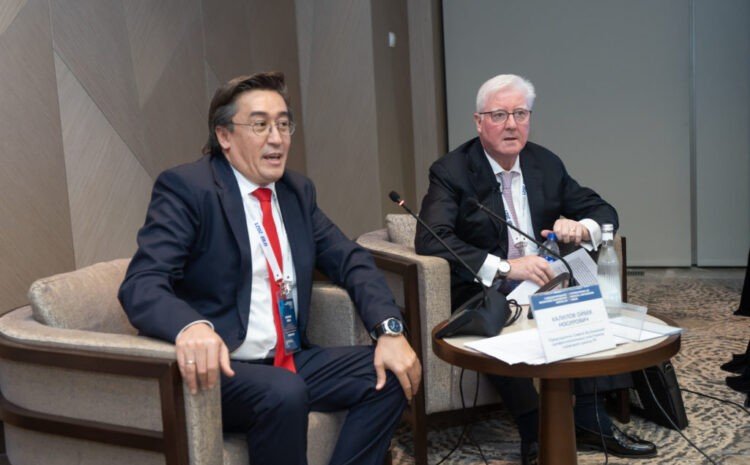
Interview with Oybek Nosirovich Khalilov, General Director of Azimuth Insurance Company (AIC)

Interviewer: Could you provide information about this year’s Insurance forum?

Oybek Khalilov: First of all, yes, very glad to say it is a successful year, for us to be sponsoring this forum. The forum which initially started as purely insurance forum, for last two years combined banking sector as well. It was important because of financial risks, this type of insurance was not known in Uzbekistan, and it’s started to develop recently. For us as an insurance company, we decided not to run in the classical  type of insurance competition with the others rather to create a niche for ourselves, at the same time helping all the corporates to cover those risks which are well known and provided outside Uzbekistan.

So the first year we have sponsored it was in fact a coverage related mainly to the banks. And it is also very useful for us because it is the first year when we are trying to grow our portfolio significantly in financial lines of business.

Interviewer: Could you give us brief description of what is financial lines insurance?

Oybek Khalilov: First of all, financial lines stands for insurance products which cover the financial losses and costs associated, losses not related to other personal property damages. Usually financial lines insurances will include the risks like directors and officers liability, cyber claims, and bankers blanket bonds.

Interviewer: What is D&O insurance? Why D&O insurance is important for corporates?

Oybek Khalilov: D&O is a well-known concept globally in the insurance market. Most of the countries the leaders, the managers, the directors and officer, the “C” level officers, they wouldn’t even take the job if they don’t have an insurance. Basically this covers the risks of the related to the financial losses and risks brought by the third parties against the decisions made by directors and officers of the company. It is essential to have this policy not only for the good governance purpose but also it helps to improve the management decisions, the managers don’t have to be afraid of huge financial burden on their personal accounts if they make a wrong decisions.

Interviewer: What is the advantage of Azimuth Insurance in terms of financial lines insurance? Why people should choose AIC over other insurance companies? 

Oybek Khalilov: First of all, we are the first local insurance who is underwriting D&O policy, the other Uzbekistan insurance companies; they used to write D&O, not themselves but representing large international players. So they do not write the business themselves, they just front it. We have our own experts, we are building our expertise of course, we are young in that area as well, but we are doing it ourselves. So we have our own professional experts and we are building our own statistics and database and we are trying to analyze those risks which are covered.  The current environment in Uzbekistan is very unique for Uzbekistan itself, so we cannot just take the products and even though I am for 22 years used to work in AIG, and AIG is one of the main leaders in financial lines. So what they are doing also is they teaching us and helping my colleagues to understand better the financial lines risks, so we are educating our own staff and creating capacity locally in order to provide this insurance and write, in insurance world it means underwriting. We have to underwrite it in here in Uzbekistan. Previously all insurance companies haven’t done any underwriting it was done abroad.  

Interviewer: What is D&O insurance? Could you further explain why it is important?

Oybek Khalilov: The Law of RU “On Joint-Stock Companies and protection of shareholders’ rights” clearly states that the manager bears personal responsibility for the decisions he makes. That is, if as a result of his erroneous or negligent actions damages the interests of third parties, he may be sued or claim from the company, shareholders, employees, creditors, customers, the regulator and another third person may appear.

D&O insurance policies offer third-party liability cover for company managers to protect them from claims which may arise from the decisions and actions taken within the scope of their regular duties.

And the cause of the claim can be any mistaken decision in the management of the company, starting with errors, inaccuracies in the financial statements, prospectuses; Non-observance of the procedure for conducting major transactions, incorrect disclosure of the stated material facts, incorrect evaluation of investments and transactions; intended misuse of information or copyright, etc.

D&O policies cover the personal liability of the company directors and officers as individuals (Side A cover), but also the reimbursement of the insured company in case it has paid the claim of a third party on behalf of its managers in order to protect them (Side B or Company Reimbursement Cover). Listed stock companies can also obtain cover for claims against the company itself for a wrongful act in connection with the trading of its securities (Side C or Securities Entity Cover).

Interviewer: How does the D&O insurance work? Could you explain further with some example?

Oybek Khalilov: In order to better understand the essence of D&O insurance, we give an example of how a policy works in a specific situation, often encountered in practice: A shareholder who acquired 30% of the shares of the joint stock company sent a public offer to the other shareholders for the acquisition of their shares (mandatory offer). Simultaneously with this offer, the Board of Directors sent its shareholders recommendations, developed without taking into account the opinion of the independent auditor. The minority shareholder accepted the mandatory offer based on the information received from the board of directors, and sold the securities. Subsequently it was found out that the cost of selling these shares was significantly less than the market value, as a result of which the shareholder filed a lawsuit against the members of the board of directors to recover damages caused to him. The court made a decision to recover damages in favor of the plaintiff in the amount of the difference between the acquisition price and market value.

Another example of an insurance event was a Russian company listing in the US, became a subject of an antimonopoly investigation in Russia, which caused a significant drop in the rate of its shares. American shareholders (mainly funds) recorded losses and despite the fact that the original reason was already settled in Russia, filed lawsuits against the directors of the Russian company for incomplete disclosure of information. The Russian issuer was forced to spend almost three years in the US court, and despite the fact that the claim was rejected as a result, he incurred about $ 2 million in defense costs. The client was fully justified – he did not have to pay a refund. Nevertheless, the insurance company paid the costs of protecting its client, who at one time safely insured its financial risks by buying an international policy D&O.

Common D&O risk scenarios are:

  • Employment Practices & HR issues
  • Shareholder actions
  • Reporting errors
  • Inaccurate or inadequate disclosure
  • Misrepresentation in a prospectus
  • Decisions exceeding the authority granted to a company officer
  • Investigations into compliance with regulations or laws

Interviewer: So that means the D&O insurance cover legal costs arising from the incident?

Oybek Khalilov: From the examples we see that, despite the fact that the policy is called liability insurance, in fact it is insurance of expenses that the client can incur as a result of bringing a suit to him. So often it turns out that the costs of lawyers and the conduct of cases in court exceed the reparation itself, which was determined by a court decision. At the same time, it is worth noting that the policy covers not only the costs of reimbursement of damages, but also other expenses that may arise in the insured person during the consideration of charges brought against him for criminal and administrative violations in court, these are the costs of the investigation, Expenses for reputation restoration and other emergency expenses.

Interviewer: The law says the manager bears personal responsibility for the decisions he makes. So what are the risks faced by the management of the corporation?

Oybek Khalilov: It should also be noted that the risk of the CEO of the company increases due to the fact that he is potentially responsible for any actions or omissions of the company. Even if he himself did not personally participate in the decision (and / or did not know about it) and the corresponding actions or inactions were committed by other officials or employees of the company, the risk lies with the leader by default.

The risks faced by members of the boards of directors and boards are constantly growing. Risks arise in the course of the daily activities of the company. And in order to reduce the negative consequences of negligence or negligence of management and make up for financial losses in case of incorrect decisions, the protection instrument comes into force as D&O policy.

Interviewer: How did D&O insurance come to popularity? What are the international practices?

Oybek Khalilov: If you go deeper into history, back in the 30s of the last century the leaders of big business thought about the risks associated with their personal responsibility. During the Great Depression of the 30s two important legislative acts were adopted in the USA: the Securities Act of 1933 and the Investment Law of 1934, which established personal responsibility of directors for wrong actions, and companies had no right to compensate losses to their directors. So the market was offered a unique product to protect the personal financial interests of directors. And although insurance did not gain wide popularity, the need for insurance was recalled a little later.

In 1940-1950-ies in the United States, a number of laws were passed allowing corporations to enter into agreements with their directors to compensate them for damages. Such agreements began to reflect in the financial statements as additional obligations, and the companies began to seek the possibility in any way to remove this risk. The insurers remembered the almost forgotten product “Protection of personal finances”, slightly upgraded it and offered the market D&O liability insurance policy.

Since the mid-50s the number of D&O policies in the US is steadily growing. If in 1965 this policy was acquired by 10% of large corporations, then in the 1970s, the number of its customers has grown to 70-80%. Following the United States, European companies are actively starting to buy this insurance. To date, in the West, almost 100% of public companies have protection under the D&O policy.

Interviewer: In your opinion, what risk factors are faced by directors on Uzbekistan?

Oybek Khalilov: Returning to Uzbekistan, it should be said that there were cases of claims against the directors, but no official information, whether these losses were reimbursed. In Uzbekistan, unfortunately, there is legal illiteracy of leading employees. But, ignorance of the legislation does not absolve anyone from responsibility. To date, in our country, the practice of presenting a claim specifically to an official, and not to the company itself, has not yet developed, but it is obvious that raising the standards of information disclosure by issuers in Uzbekistan will inevitably lead to an increase in the level of risk of managers’ liability.

I want to think positively and believe that Uzbekistan will nevertheless fit into the global insurance practice with clear criteria and requirements for managers that will allow them to be held accountable for their wrong actions, which will undoubtedly affect the quality of corporate governance in companies and on the economic system of Uzbekistan as a whole.

Interviewer: What is not covered?

Oybek Khalilov: A D&O policy does not cover fraudulent, criminal or intentional non-compliant acts. Nevertheless, innocent directors remain fully covered if they are co-defendants, even if the acts of their colleagues were intentional and fraudulent.

D&O will also not cover cases where directors obtained illegal remuneration, or acted for personal profit. All activities which are covered by another insurance policy, such as Professional Indemnity, are either excluded in D&O policy or the D&O cover is only provided after erosion of that other policy.

Other common D&O exclusions are: Property damage and bodily injury; Legal action already taken when the policy begins; Claims made under a previous policy; Claims brought by one insured against another insured; Claims alleging Environmental damage.

Interviewer: Does D&O insurance encourage managers to behave negligently?

Oybek Khalilov: No. D&O is not a blank check for bad behavior. This frequently made assertion is not specific to D&O but rather has to do with the basic issue of liability cover, and yet opinion leaders who demand that managers should “get what they deserve” eclipse the real facts: no amount of research can show that managers behave any less responsibly when insured by a D&O policy.

The opposite is true. The process of a public lawsuit and financial losses, the possibility of corporate and personal reputational losses and all the other pains that accompany a claim made against a manager are a major deterrent. A D&O policy does not automatically cover all these losses, as they are quite complex and largely outside its scope.

Furthermore, D&O insurance enables the insurance industry and regulators to collect objective data about acts that lead to claims and to better monitor these trends.

Limits and personal deductibles allow insurers to adjust their policies to individual persons or companies as well, leading to better corporate governance.

In an environment of ever-tightening management liability regulations, D&O cover therefore provides an essential tool for both steering good business practice and handling the growing risks directors and officers face.

Interviewer: What other protections does Financial lines products offer?

Oybek Khalilov: Bankers Blanket Bond (BBB)

Operational Risk Transfer Programmes

Operational risk is the risk of direct or indirect loss resulting from inadequate or failed internal processes, people and systems or from external events. Operational risks and losses can result from fraud, employee errors, failure to properly document transactions or to obtain proper internal authorization, failure to comply with regulatory requirements and conduct of business rules, equipment failures, natural disasters, acts of third parties or the failure of external systems.

The practice of risk transfer through insurance products is well established and documented in developed market. The development of Operational Risk Management practice and Mechanism to transfer and mitigate risk within the banking sector forms good corporate governance and better depositors value Protection.

As a good corporate governance practice, board of directors should be well aware of their institution’s operational risk profile and they should make prudent decision on overall operational risk management policies and procedures that are in the interest of all the stakeholders of their institution.

Interviewer: What is Bankers Blanket Bond Insurance?

Oybek Khalilov: A: “BBB” Insurance attempts to provide, under one insurance contract, coverage for money, negotiable, funds and other valuable property against CRIME RISKS such as theft (by employees or other parties), robbery, burglary.

  • The crime policy is designed to operate on a “losses discovered” basis.
  • This means that coverage is triggered when the Insured (or if a raised escalation procedure is in place, a “Responsible Officer”) discovers a loss.
  • The loss must have been discovered during the policy period.
  • If no retroactive date has been applied, the act or event leading to that loss could have been committed or occurred at any time.
  • The crime policy will be subject to a limit of indemnity (which applies in excess of deductible or retention). The limit of indemnity will be on an “aggregate” basis.

How it happens?

  • Expenses Schemes – This is where the perpetrator of the fraud either misclassifies, overstates or claims fictitious expenses
  • Employee embezzlement – Diversion of funds, assets or stock from the organisation’s accounts, either in the form of cash or by the raiding of bank accounts
  • Hold ups – Robbery by force or threat of force
  • Stock & physical assets – Stock manipulation fraud, i.e.misuse or misappropriation of company property, or simply the theft of a vehicle, stock or supplies or computer equipment
  • Payroll Fraud – These are similar to procurement frauds in as much as the fraudster is instrumental in having the company pay for work that has not been performed
  • Loans
  • Skimming – Diversion of Funds belonging to a company, prior to the recording of such funds in the company’s accounts. (e.g. customers payment directly into the hands of a company’s employee)
  • Cheque/bank transfer tampering – Frauds perpetrated by persons having access to the company’s cheque books or electronic payment or bank systems. These frauds involve forged signatures and transfer approvals, altering of payee details, or payments into a new account opened by the perpetrator of the fraud but in the same name of a genuine payee
  • False invoices – Where employees work with co-operative suppliers and enter into arrangements of excessive payments of goods or services purchased for the company in return for kickbacks. Thereafter the employee makes mistakes or overpays and then requests the recipient amend the error with a refund cheque which is then diverted

Interviewer: What other types of Crime can be covered by financial lines insurance?

Oybek Khalilov: Cyber Insurance Solution

The infrastructure, the users, and the services offered on computer networks today are all subject to a wide variety of risks posed by threats that include distributed denial of service attacks, intrusions of various kinds, eavesdropping, hacking, phishing, worms, viruses, spams, etc.

Cyber-attacks pose different level of threats to various industries including financial services, retails, healthcare, IT, Telecom, utilities, energy and many others.

Asia is one of the most vulnerable region to cyber-attacks, and that challenge has grown at an alarming rate over the years due to several reasons such as largest internet user population, geo-political issues.

Whether launched by hackers, criminals, rogue employees or even states, cyber-attacks are likely to occur and can cause moderate to severe losses for organizations large and small. As part of a risk management plan, organizations routinely must decide which risks to avoid, accept, control or transfer.

Interviewer: What is the possible solution for cyber risk management?

Oybek Khalilov: Transferring risk is where cyber insurance comes into play.

Cyber-insurance is an insurance product used to protect businesses and individual users from Internet-based risks, and more generally from risks relating to information technology infrastructure and activities.

Cyber-insurance is designed to help an organization mitigate risk exposure by offsetting costs involved with recovery after a cyber-related security breach or potential third party liability due to cyber incident.

Interviewer: Could you also explain what Professional indemnity (PI) insurance is?

Oybek Khalilov: PI Insurance

Professional indemnity insurance covers legal costs and expenses incurred in policyholder’s  defense, as well as any damages or costs that may be awarded as a result of a claim brought against them by a third party if policyholder is alleged to have provided inadequate advice, services or designs that cause their client to suffer financial loss.

Interviewer: Why professional firms need PI?

Oybek Khalilov: Many professions need to have PI insurance as part of their respective industry body’s regulatory requirements. Even if a professional firm is not obliged to have PI insurance, without it, they could be liable for hefty sum of legal fees and compensation payments – not to mention lost income from the time spent defending any allegation.

Why is insurance important?

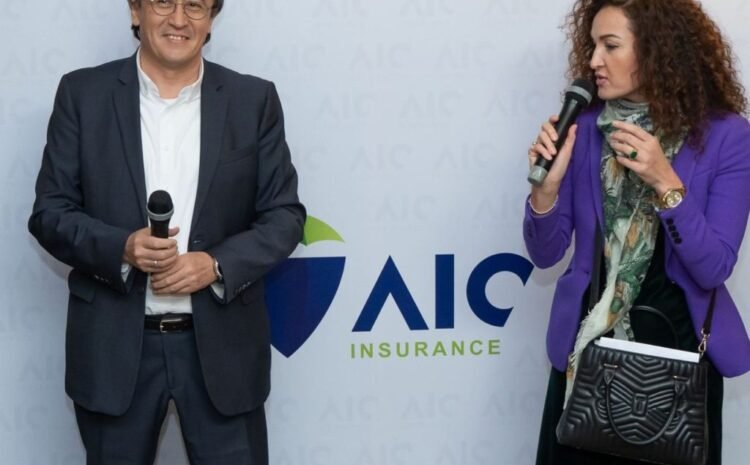
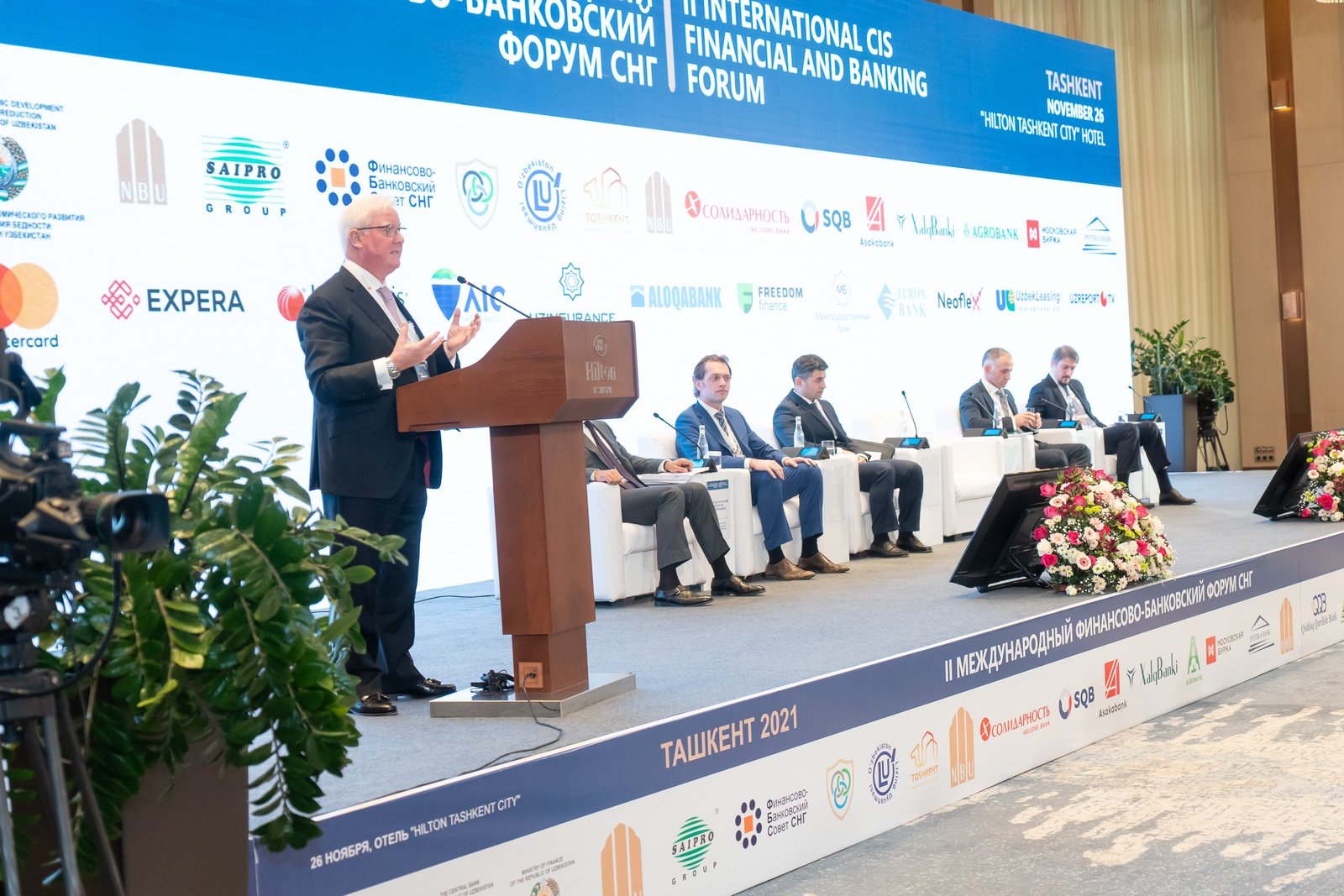
Good morning ladies and gentlemen, it is indeed a real privilege to be invited to speak at this event. The first time I came to Uzbekistan was nearly 20 years ago when I met with my colleague Oybek Khalilov and now 20 years later he is CEO of our newly launched Company Azimuth Insurance Coy. I was so impressed with what I saw in Tashkent and also developed a love for Plov, but now after 20 years later it is incredible to see the progress that has been made in such a short period of time and I congratulate you on what has been achieved by your government in the last 20 years. You should be very proud.

The subject of my talk today is ‘Why Insurance Matters’. It is fair to say that in my nearly 50 years in the industry working across 36 countries going as far back as 1975 where I started my International career in Iran and finally ending up as Regional CEO Middle East for Zurich Insurance following C suite roles in Asia, Europe, Central Europe, Australasia, India, Middle East and of course UK, I would like to think I have seen most types of losses ranging from simple car accidents to natural catastrophes such as floods, hurricanes, earthquakes, and even acts of terrorism like the Taj Hotel in Mumbai. It is this I would like to concentrate on today. Many years ago when I first went to China several of my colleagues there said to me ‘look Brian you will find things very different here because people are not that concerned about buying insurance’. I listened to him calmly and carefully and just asked the following question ‘OK so are you telling me that the people of China are not concerned about the health of their family? …Not concerned about the small business they have built up being lost or damaged by fire or flood?…Not concerned about the education of their children and the health of their parents and grandparents if they are not around?…Not concerned about providing cover for the car they have saved up for is stolen or damaged?…. if the answer to all that is no then you are quite right the people in China are very different and they don’t need insurance.

 I’m sure you see where this is going because the fact is that no matter where you are in the world people do care about these things no matter what stage of a country’s development is at, they do still care about these things. The challenge lies with the insurance industry in getting the message out to the people and businesses, large and small, that there is a way to prevent or mitigate losses like these. Even leaving aside the fact that we have continuing discussions about global warming and whether you believe this to be true or not, the fact is we do appear to be experiencing extreme weather changes. In fact at the weekend my home country of Scotland was hit by three earthquakes measuring 3.4 on the Richter scale. Unheard of in the past. In recent years we have seen extensive flooding across UK and Europe, hurricanes, typhoons and even droughts causing catastrophic damage. Whilst in some cases governments do step in to provide support the hard facts are the majority of these losses and the reparations are covered by insurance. The markets of London, Paris, Frankfurt, Zurich New York and Bermuda are generally the major providers of primary and re insurance cover. So weather it be coverage for accidental damage to your small Kia motor car, a natural catastrophe, the health of your child, your own health or supporting your business following a fire, theft or an earthquake the insurance company is there to help!! Many years ago when I was a child in the UK there used to be an advert constantly on the television showing medieval castle with the ‘voice over’ saying ‘get the strength of the insurance company around you’…that message was valid then in the 50’s and 60’s and is still valid now in any country.

But how do we get that message out to companies, small businesses and to the general public? In all my travels I have found a combination of good regulation, education, advertising, marketing and multiple distribution sources wether that be direct communications, banks, agencies or brokerages the more they are talked about the more the message gets out there. Regulators have a key role to play by insisting on certain mandatory insurance products to raise general awareness and also ensuring level playing fields to ensure the message gets through that insurance is a good thing. In some countries that I have worked in there was a fear of greater regulation when it was introduced, this was natural but after the benefits were understood by all it does benefit everyone…it benefited the private and public companies the insurance companies and benefited the public. The developments in Uzbekistan since 2016 and the reforms announced in 2019 which were aimed at strengthening the role of the insurance sector are hugely welcomed and a great step forward.

This is one of the key reasons we have decided to invest and launch our new company Azimuth Insurance Company as we believe the time is now ripe for rapid development of the insurance sector in Uzbekistan.. I was also delighted to see that the New Law on insurance activity launched just recently is aligned with regulating insurance activities and introducing international experience. I believe that the board of of Azimuth insurance company which is made up of international financial, private equity and insurance experts based in London can provide the required level governance and expertise to help grow the market. We can also provide coverage for the most simple to complex risks and the local team with an average insurance experience of over 20 years led by CEO Oybek Khalilov who is a recognized international insurance expert with over 30 years experience in Uzbekistan, Kazakhstan, Azerbaijan, Mongolia and London markets we are well positioned to help grow the Uzbek market. We are financially strong which enables us to take risks up to 36 million U.S. dollars with the possibility of increasing our capacity to $200 million. Our treaty reinsurers have a financial strength rating of A plus and this enables us to look at risks ranging from financial lines to large and complex construction projects, major industrial enterprises including energy oil and gas sectors together with basic retail insurance products for the general public such as health, motor and similar.

It has been an immense pleasure to come back to Uzbekistan after all those years and I do hope to be coming back on a more regular basis as our business grows and expands under the leadership of Oybek. As you can probably tell, even after nearly 50 years in the industry I’m still incredibly passionate and believe in what we do and I do hope that you give us the opportunity to be a bigger player in this wonderful market.

Author

BRIAN J REILLY

Board Chairman of AIC

Results of the XIII Tashkent International Conference on Insurance and Reinsurance

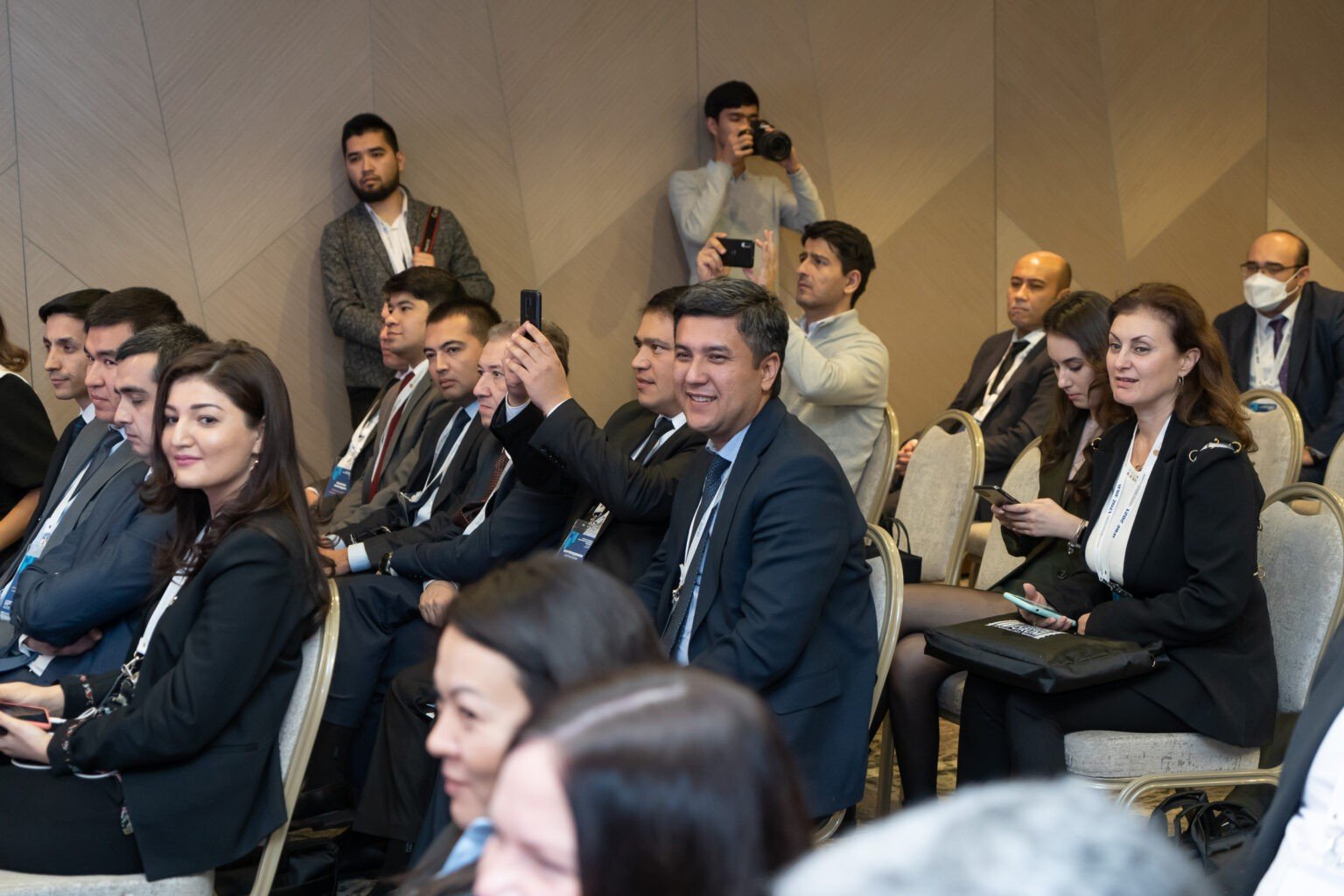
The XIII International Conference on Insurance and Reinsurance ended in Tashkent, in which experts from the UK, Kazakhstan, Ukraine, Mongolia and representatives of domestic companies made reports.

The participants discussed the current state of the insurance market in Uzbekistan and the prospects for its development, global trends, problems that hinder the full development of the insurance market.

The insurance market of Uzbekistan is not yet large (0.003% share in the world market), but the market is growing rapidly. In 2016-2019, the growth of insurance premiums averaged + 50%, in 2020 -6% compared to 2019, for 9 months of 2021 accelerated growth was + 66%. The main reasons for the decline are the introduction of quarantine regulations, the lack of remote work of some companies and a decrease in the income of the population during the quarantine period.

However, the penetration rate of insurance products remains at a very low level of 0.4%, while in developed countries the penetration rate reaches 12%. Insurance premiums per capita in the world are equal to $ 1000, in Uzbekistan – $ 6. This speaks of the low price of the product. At the same time, the leader of the list, Hong Kong, has this figure of 8.5 thousand dollars. And the reason for this is the strong dependence of the economy on the raw materials sectors, low insurance culture and low incomes of the population, the state insurer and the lack of long-term development strategies for insurers. The role of reinsurance relations was also noted. The total premiums for the global market amounted to $ 6.274 billion in 2020. The volume of reinsurance premiums throughout the market has been stable for many years and averages $ 315 billion per year. At the same time, the share of reinsurance in Russia, Kazakhstan and Uzbekistan together is 0.72% of the share of reinsurance in the world market.

The problems of national markets in these countries are similar and in Uzbekistan, in particular, the following:

– Low penetration of insurance, weak protection of the economic interests of consumers

– Lack of own capacities to cover large corporate losses, as well as cumulation

– Coverage of catastrophic risks = low percentage of coverage

– High percentage of electives high administrative costs and the likelihood of refusals

– Price wars and dumping, lack of adequate insurance premium rates, impossibility to place on high-rated markets

– Poor quality of risk security and underwriting

– Insufficient level of capitalization of insurance companies

– Lack of statistical data and their quality.

dsc00149

In order to break out of this lagging segment, experts proposed the following measures:

– Practice of using obligatory reinsurance contracts – Treaty

– Solutions for Catastrophic Risk Models, Obligators

– Adequate approach to calculating reserves and capital

– Image solutions for integration into the world market

– Stabilization of the general price level

– Overall risk quality and underwriting

– Statistics are our everything

– Strategic development initiatives for insurers

– Privatization of the insurance sector

– Initiative of the EAEU Single Market of Insurance Services.

Another trend in the global market, which the conference participants recommended to take a closer look at in Uzbekistan, is the introduction of a risk-based approach. Insurance companies assess not just the risks associated with the premium and the liabilities of the insurance company, but at the same time assess the risks of assets, credit, market. This allows you to more actively manage the capital of the insurance company. This trend is spreading to emerging markets as well, driven by the desire to attract foreign investors, for whom a risk-based approach in terms of capital management is more understandable and provides more opportunities in terms of comparability.

Most importantly, there was one more positive moment at the forum, everyone noticed that the Regulator – the Agency for the Development of the Insurance Market, actively participated in the work of the forum from the very beginning to the very end, and did not shy away from communication. The regulator gave us the opportunity, the private sector, to speak out on our own, to listen to each other, and then they will probably take the right measures to put the entire market in order. The regulator noted that along with fruitful work and progressive reforms in the insurance sector, the issue is not only that it is necessary to increase the volume of insurance premiums. It is necessary to develop the culture of the insurance community and the understanding of people that insurance is protection, which makes it possible to further increase the welfare of the population, reduce the burden on the state and allow insurance companies to be responsible for their obligations.

dsc00261

The participants of the forum drew attention to the issues of civilized development of intermediaries and distributors of insurance services, discussed the problems of unfair advantages in the sale of insurance products and ways to solve them. The following three were cited as the basic principles of behavior of insurance intermediaries:

– to act with maximum consideration of the interests of the consumer

– know the needs and needs of the consumer

– maintain an appropriate level of qualifications.

Much attention was paid to the issue of the lack of qualified personnel, and the regulator and many participants said that it is important to educate personnel. The regulator noted that in 2020, the “insurance business” direction was introduced in specialized universities, where employees of insurance companies can enroll in distance learning without exams. In addition, mechanisms will be introduced to improve the insurance and financial literacy of the population. In cooperation with the ministries of education, finance-related subjects will be introduced in schools and universities. The experts also noted the need for ongoing training, for example, each insurance intermediary is required to go through 15 hours of structured activity per year, which includes seminars, conferences or writing articles on the topic of insurance.

Experts shared the latest achievements in modern technologies, in the practice of bancassurance and new insurance products.

image 2021 11 19 10 48 01 1

Author

OYBEK N. KHALILOV

General Director of AIC, and concurrently, Chairman of the Board of the Association of Professional Participants of the Insurance Market of Uzbekistan.

Investment activity of insurance companies

The insurance market of Uzbekistan, despite the “solid age” comparable to the sovereign age of the country, is still at the infant stages of its development. However, banking sector has achieved impressive results, despite of financial turmoil, and became one of major contributors to the country’s economy. While there are no problems with short-term investment, the long-term investment into high valued added industries is still sourced from the state only.

Insurance sector is one of three major sources of investment into the domestic economy of mature markets. Those three sources are the state, pension funds and insurance companies. The banks are not even close thereto. That’s why it is critically important for us to develop domestic insurance business, so that in future we could have an independent source of long-term private investments into the Uzbekistan economy. Large insurance market capacity is a benefit for any country’s economy, as it serves a stabilizing purpose, being both a cost recovery source and contributor of vast investment resources.

In 2016-2019, the growth of insurance premiums averaged 150%, in 2020 a decrease of 94% compared to 2019. The main reasons for the decline are the introduction of quarantine regulations, the lack of remote work of some companies and a decrease in the income of the population during the quarantine period. Investment activity from 2016 to 2020 increased by 287%. At the same time, deposits increased 4.6 times, real estate –

6.2 times, loans – 5.8 times. For 9 months of 2021, the total investment amounted to 3 609.6 billion soums. Nevertheless, the growth of assets and equity capital of the insurance market could perform much better, and this is hindered by three main problems of the insurance market:

  1. High acquisition costs (commission fees), preventing the insurance companies from actuarial reserves accumulation. I am of opinion that those high costs are caused by a deep corruptness of voluntary insurance market.
  2. Extremely high level of cross-border reinsurance as to the types of voluntary insurance. On the one hand, reinsurance problems are connected with partially uncontrolled drain of monetary resources abroad. On the other hand, the insurance companies’ undercapitalization and their inability to handle high risks become apparent, when any restrictions are imposed on reinsurance.
  3. Practically complete lack of competition in the insurance market in terms of insurance through banks. Banks and financial-industrial groups have established affiliated insurance companies, in this way they eliminate access of other insurance companies to their clients, pursuing exclusively their own economic interests so the clients leave the most part of money in such groups. This is entirely sensible and justified act if there is a competition. Other way, when there is no competition it greatly affects on the qualitative development of the insurance sector.

Despite the above problems and their high relevance, one should pay tribute to the Agency for the Development of the Insurance Market of Uzbekistan in terms of regulation and making especially recent changes to domestic legislation, in particular, the development and implementation of a new edition of the Law on Insurance Activities, the adoption of the Resolution of the President of the Republic of Uzbekistan No. PP -5265 “On additional measures to digitalize the insurance market and the development of the life insurance sector”, the capital requirements of insurance companies have been increased, the principles of insurance intermediation have been significantly revised. We believe that all these measures will lead to long-term growth, reasonable concentration and increased transparency of insurance companies as full-fledged players in the financial market of Uzbekistan.

 The list of investment instruments available to insurers and reinsurers includes:

  • bank certificates;
  • government securities of the Republic of Uzbekistan and foreign states;
  • movable and immovable property;
  • share participation in the authorized capital of legal entities;
  • corporate bonds, in accordance with the legislation of the Republic of Uzbekistan;
  • loans to leasing organizations;
  • other objects of investment activity that do not contradict the legislation.


Insurers today have limited investment opportunities. If we expand the list of investment instruments, this will enable us tomorrow to participate in budget financing and private investment projects. Insurance companies will be able to act as founders of investment funds, this will serve the development of the capital market.

Investments differ in the degree of profitability and degree of risk, for high profitability you have to pay with increased risk.

Stocks are the most risky, but also the most profitable instrument in the securities market. The advantage of shares is the ownership of a part of the company; income depends on the growth of the fundamental value of the company; and you can also receive a fixed (dividend) income.

Bonds are one of the most suitable instruments for insurance companies, providing optimal returns with a low level of risk. The advantages of bonds are simplicity; transparency and stability: most often, the remuneration is known in advance and is fixed for the entire circulation period of securities; the ability to earn on price increases and regular coupon payments.

The least risky investment instruments that exert minimal pressure on the capital of insurance companies according to the standards are government securities (GS). GS is a highly liquid instrument with the lowest risk level. It can be used as collateral for bank lending, as well as to attract short-term financing through repo. The credit rating of the government securities of the Ministry of Finance of the Republic of Uzbekistan is BB- (Fitch, S&P). In accordance with PP-5265, from July 1, 2022, government securities are expected to be issued linked to inflation.

The most liquid investment instrument is bank deposits. However, often placing deposits in banks does not guarantee high returns, but rather is an entry ticket for providing bancassuarnce products.

In order to ensure financial stability, the insurer monitors the quality of assets and is obliged to place its assets on the principles of repayment, liquidity, diversification and profitability.

The insurer is obliged to comply with the following basic conditions when carrying out investment activities:

  1. competent management of investments and associated risks;
  2. ensuring information transparency and confidentiality

Competent management of investments and associated risks is ensured by the insurer (reinsurer) by:

  • approval of the investment policy, which specifies the main areas of investment activities of the insurer (reinsurer);
  • analysis of investment objects and periodic assessment of the resulting profitability, etc.


Ensuring information transparency and confidentiality is carried out by:

  • disclosure of information in accordance with the requirements of the legislation;
  • an annual report to the founders on the investments made.


In accordance with the investment policy developed by each company, all employees have a responsibility to make the most efficient use of the company’s capital and liquid resources. All employees are encouraged to propose strategies to improve the efficiency and effectiveness of the deployment and use of these resources.

Below are the main principles that are included in the investment plan using the example of Azimuth Insurance Company:

  • Deposits should only be kept in institutions approved by the Investment Plan;
  • Placement should only take place if the receiving bank or institution complies with regulatory requirements, as evidenced by prudential indicators;
  • All fixed income securities purchased must have a local credit rating (if any);
  • All foreign fixed income securities purchased must have an international credit rating from at least one recognized rating agency. The minimum acceptable international rating is BBB;
  • The placement is carried out only if the bank or the receiving institution does not have serious reputation or legal problems or is not involved in any problematic or controversial asset transactions that could negatively affect the company’s investment portfolio.


The investment plan of companies must at least contain:

  • Key assumptions and key considerations;
  • Requirements for capital and liquidity;
  • Expected profitability;
  • Target distributions by asset class, grouped by duration, profitability and degree of risk;
  • Confirmation of Compliance with Applicable Laws and Regulations.
image 2021 11 19 10 48 01 1

Author

OYBEK N. KHALILOV

General Director of AIC, and concurrently, Chairman of the Board of the Association of Professional Participants of the Insurance Market of Uzbekistan.

What is the reason for the growth of the insurance market in Uzbekistan this year?

According to the reports published by the Insurance Market Development Agency, at the end of 9 months of 2021, the volume of collected insurance premiums increased by 66% compared to the same period last year.

The question covered in this article:

What is the reason for the growth of the insurance market in Uzbekistan this year?

The insurance market in Uzbekistan is small, with low premiums and a weak insurance culture that is still immature. At the end of 9 months of 2021, the volume of collected insurance premiums amounted to 2.63 trillion soums (246 million US dollars) increased by 66% compared to the same period last year. However, as the market indicator declined during the pandemic in 2020, total premium income was $ 1.58 trillion. UZS (154 million US dollars), which is 11% less than in the previous year 2019, the average annual growth over the past 3 years was 13.5%.

The market can be divided into voluntary and compulsory classes of general insurance, and life insurance. The division in 2021 between voluntary and compulsory types of general insurance, and life insurance was approximately 70% / 12% / 8%, respectively. Over the past 3 years, the share of life insurance has dropped sharply from 26% in 2019, 14% in 2020 and 8% in 2021.

In 2021, the collection of life insurance premiums reached the 2019 level of 0.47 trillion soum (44 million US dollars). In accordance with the Decree of the President of the Republic of Uzbekistan No. PP-5265, the announced tax benefits in the life insurance industry, both in terms of the income tax of the insurance company and in terms of income tax, will accelerate the development of long-term life insurance and will be aimed at expanding the list of services.

Mandatory classes consist mainly of employer liability insurance and compulsory motor third party liability insurance. Employer liability insurance grew in 2020 and 2021 by 30% / 27%, respectively, and MTPL increased by 9.5% / 13%, respectively. Due to active development, even during a pandemic,  the size of compulsory CAR/EAR insurance premiums increased by 72%.

An increase of 66% is observed in voluntary classes of insurance, in total terms of 734 billion soums (68 million US dollars). The volume of credit insurance has doubled, general liability insurance has grown sevenfold, and property insurance has reached pre-pandemic levels.

The market is under the influence of the program of economic liberalization, which has been carried out since the coming to power of President Sh.M. Mirziyoyev at the end of 2016.

The reforms, announced in August 2019, are aimed at strengthening the role of the sector in the economy and developing a new comprehensive regulatory framework. They also include measures to support premium growth, especially in retail segments, and provide support or guarantee mechanisms in areas of strategic importance to the economy. The Uzbek government expects the insurance sector’s contribution to GDP to grow to 0.8% by 2022 from 0.4% in 2018, and aggregate insurance premiums to rise to $ 478 million from $ 203 million, respectively, as a result of reforms.

In 2019, a new Agency for the Development of the Insurance Market was created, replacing the previously existing Office of the State Inspection of Insurance Supervision.

In a separate project “On measures to create the infrastructure of Islamic banking and financial management in the Republic of Uzbekistan”, announced in 2018 also under the auspices of Presidential Decree No. UP-4947, a commission was formed to work on the development and submission for approval of legal norms, Islamic banking and financial infrastructure, including in relation to insurance or Takaful activities. This is likely to lead to the development of takaful products in the Uzbek insurance market.

The use of brokers is increasing and there were five firms registered in mid-2020. Foreign brokers are showing a growing interest in opening their presence in the country. Several retail products are now starting to spread over the Internet, including MTPL, comprehensive insurance, home, travel and health products. The COVID-19 pandemic, which has resulted in travel restrictions in Uzbekistan and the temporary shift to telecommuting, has spurred a trend to buy retail insurance products online.

The opening of new insurance companies in the general insurance industry (5 insurance organizations, including 1 with 100% foreign capital – Azimuth Insurance Company) also influenced the growth of insurance premiums.

In connection with the attraction of large foreign investments, premiums on voluntary types of insurance for construction and installation risks, civil liability insurance and property increased sharply, the share of reinsurers in insurance reserves increased.

image 2021 11 19 10 48 01 1

Author

OYBEK N. KHALILOV

General Director of AIC, and concurrently, Chairman of the Board of the Association of Professional Participants of the Insurance Market of Uzbekistan.

NEWS ABOUT AIC

AZIMUTH INSURANCE COMPANY entered the insurance market of Uzbekistan as the first foreign enterprise. AIC is offering a full range of non-life insurance and reinsurance products for all 17 classes. AIC is supporting foreign corporates looking to invest in Uzbekistan by providing insurance capacity that is fully compliant with local regulation while working with large international reinsurance partners. AIC is also a strong partner for local companies in multiple sectors expanding within the country and regionally.

We operate in accordance with the requirements of a foreign business to the insurance companies: Transparency of financial statements based on IFRS standards; Anti-corruption and high ethical standards; Conclusion of contract on the international insurance standard terms; Risk survey and risk engineering expertise of insurance objects.

The financial stability of the company is guaranteed by the efficient management with high liquidity of assets, an effective reinsurance system in partnership with the recognized international reinsurers and brokers such as AIG, SWISS Re, Lloyd’s of London, ACE, CHUBB, MENA Re, and others. Our treaty reinsurance allows us to take risks up to 6.0 million USD, with the possibility of increasing the reinsurance capacity up to $ 36 million. Our treaty reinsurer (SCOR) has a financial strength rating of A + (S&P).

AZIMUTH INSURANCE COMPANY uses innovative approach to form competitive advantage:

We offer insurance for industrial enterprises and complex construction project with risk management, risk engineers and consultations;

We are the first to introduce to the market new insurance products such as D&O, cybercrime, risks of environmental pollution, product liability insurance;

Our clients in health insurance are served through professional assistance, in more than 400 clinics and pharmacies throughout the country, with the possibility of treatment in foreign clinics, with the opportunity to obtain a conclusion of world-class doctors (second opinion);

The partner adjuster company will promptly respond to vehicle insurance, from going to scene of the accident, collecting documents, assessing damage to repairing in the best auto repair shop throughout the country

A strong team of professionals, the average term of work experience of the management team is over 20 years, with the direct access to reinsurance of any kind of risks with the solid international insurance organizations with the highest RI capacities/ facilities and with highest financial strength ratings, will allow our clients to receive a high level of customer service for the execution of insurance agreements.

AIC is a 100% owned by ICA Group Ltd, an investment of London-based investment firm InFrontier Ltd. AIC is backed by A-rated reinsurance firms in London and the UAE.