The International Reinsurance Capacity

In 2022, Turkish World Insurance Association was established in Istanbul with the membership and participation of insurance associations of Azerbaijan, Turkey, Uzbekistan, Kazakhstan and Kyrgyzstan. How do you evaluate the advantages and new opportunities that this union will create for the countries of the Turkic world, and what are your main expectations from this union as Uzbekistan?

The establishment of the Turkish World Union of Insurance Associations in Istanbul on May 24th 2022, with the active participation of insurance associations from Azerbaijan, Turkey, Uzbekistan, Kazakhstan, and Kyrgyzstan, presents a significant step forward in fostering collaboration and synergy among the countries of the Turkic world. This union is poised to bring about several advantages and new opportunities, with substantial implications for Uzbekistan.

The union provides a platform for knowledge exchange and sharing of experiences among member countries. The lessons learned from events such as the Earthquake in Kahramanmarash (Türkiye, 2023) can be invaluable in enhancing disaster preparedness and response strategies across the Turkic world.

Collaborative efforts enable effective surveillance of policy renewals and building codes. By sharing best practices and collectively addressing vulnerabilities in risk-prone regions, the member countries can contribute to more robust risk management and mitigation strategies.

The union can collectively address the challenge of low insurance rates in risk-prone regions. By sharing insights and leveraging the combined expertise, member countries can work towards creating a more conducive environment for insurance uptake, ensuring better coverage and protection for their populations.

Recognizing the critical role of reinsurance in ensuring the solvency of insurance companies in the face of catastrophic events, the union can facilitate collaborative reinsurance arrangements. Pooling resources and risk-sharing mechanisms can strengthen the financial resilience of member countries’ insurance industries.

The union is expected to contribute to the growth of the risk capacity for incoming reinsurance in the region. By fostering collaboration, the member countries can attract increased reinsurance capacity, which is essential for managing large-scale risks associated with catastrophic events.

Uzbekistan can benefit from the union by enhancing its disaster resilience. Collaborative efforts within the association can lead to improved risk assessment and management practices in Uzbekistan. This, in turn, can contribute to more accurate underwriting, pricing, and overall risk mitigation within the country.

Uzbekistan can anticipate an increase in insurance penetration through joint initiatives aimed at addressing low insurance rates in certain regions. By learning from the experiences of other member countries, Uzbekistan can implement effective measures to boost insurance awareness and adoption.

The union provides Uzbekistan with enhanced access to reinsurance support in the face of catastrophic events. This is particularly crucial for maintaining the solvency of insurance companies and ensuring the availability of financial resources to support recovery efforts.

Uzbekistan can benefit from capacity building initiatives facilitated by the association. Training programs, knowledge-sharing sessions, and collaborative projects can contribute to the professional development of the insurance industry in Uzbekistan.

In conclusion, the establishment of the Turkish World Union of Insurance Associations presents a unique opportunity for the Turkic world to collaborate, share expertise, and collectively address challenges in the insurance sector. From Uzbekistan’s perspective, the union holds the potential to bring about positive transformations in disaster resilience, risk management, and insurance penetration, ultimately contributing to the overall growth and stability of the country’s insurance industry.

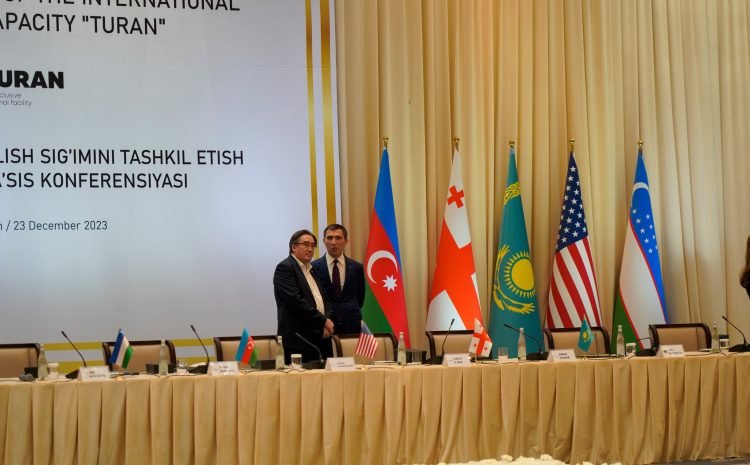
On December 23, 2023, an agreement on the creation of the international reinsurance capacity «Turan» was signed in Tashkent.

Leading experts and top managers of the foreign and domestic insurance and reinsurance markets, representatives of the press, regulators, and professional communities of Uzbekistan, Kazakhstan, Azerbaijan and Georgia were present at one of the large-scale business events in the field of reinsurance in 2023.

The «Turan» capacity will be an effective regional risk transfer mechanism, seeking to significantly strengthen risk management at the national and regional levels. This reinsurance structure will allow participants to gain access to a wide client base, expand their presence in the region and will contribute to the creation of a modern underwriting platform not only in the region, but also beyond its borders. This new mechanism will not only strengthen insurance protection for large-scale projects in Central Asia and the Caucasus, but also contribute to strengthening economic stability and mutual trust between participating countries.

I AmChamPion Awards 2023 Gala in Istanbul

The prestigious I AmChamPion Awards 2023 Gala in Istanbul on December 14 brought together over 300 public and private sector leaders, creating a platform for fostering collaboration and celebrating outstanding achievements. The star-studded event, held under the glittering lights of recognition, witnessed the presence of esteemed guests, including honorary speakers Presidency Investment Office President A. Burak Dağlıoğlu and US Ambassador Jeffry Flake.

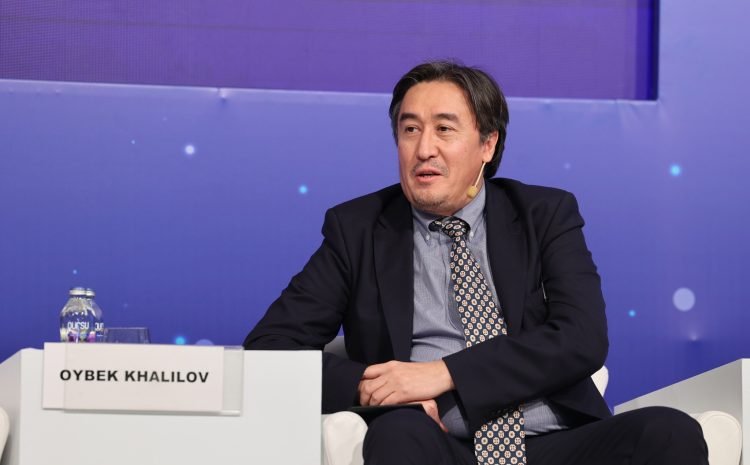
One of the highlights of the evening was the insightful address by CEO of MIG and President of AmCham Uzbekistan, Mr. Oybek Khalilov. As a special guest, Mr. Khalilov shared valuable information about the burgeoning partnership between Uzbekistan, Turkey, and the United States in various sectors, emphasizing significant strides in the FCMG, construction, energy, IT, and finance.

The collaborative efforts between these nations underscored the growing importance of international partnerships in fostering economic growth and development. Mr. Khalilov’s remarks shed light on the interconnectedness of the global economy and the potential for mutually beneficial collaborations.

The Gala served as a nexus for networking, allowing leaders from diverse sectors to exchange ideas and explore avenues for future partnerships. The presence of esteemed personalities from both the public and private sectors created an atmosphere of camaraderie, emphasizing the shared commitment to innovation and progress.

An insurance forum at the Tashkent State Economic University

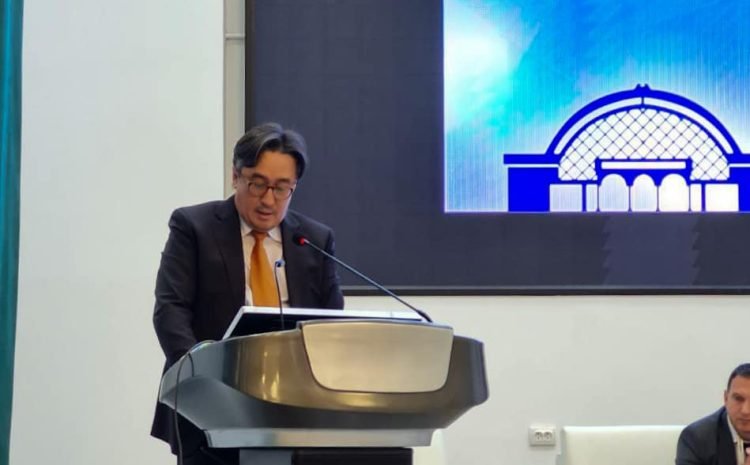
CEO of Mosaic Insurance Group – Oybek N.Khalilov hosted a forum at the Tashkent State Economic University, where he presented data and trends analysis in the insurance market of Uzbekistan.
In his speech, Mr. Oybek drew attention to key aspects of the economic development of Uzbekistan. In the first half of 2023, the fastest growing industries were the IT and financial services. Insurance market continues to grow by 68% annually, despite the difficulties caused by the pandemic. This growth, however, has created challenges in the areas of staffing and training.
Attention was also drawn to the low level of insurance penetration in Uzbekistan compared to other countries, highlighting the program for creating a training center within the framework of Insurers Association.
The creation of a training center involves regular training for management and staff of insurance companies, which is an important step to solve the problems of outstaffing in the industry. Mr. Oybek expressed confidence in the successful development of the insurance market of Uzbekistan and in its contribution to the overall economic development of the country.

CSR Ball

As part of the noble call to help children, AmCham Uzbekistan held the second CSR Ball dedicated to helping children with cancer together with the charitable foundation “Ezgu Amal”.
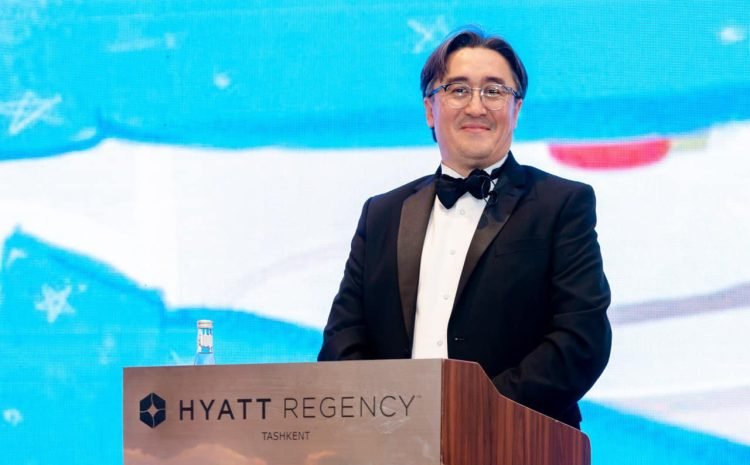
The event was hosted by CEO of Mosaic Insurance Group, Mr. Oyber N. Khalilov, as well as the President of the American Chamber Uzbekistan. The events attracted the attention of business and government officials who participated in their efforts to make a philanthropic contribution to pediatric cancer counseling.
The total amount of participation in the event was UZS 160,000,000. These funds were immediately sent to charity foundation.
As a result, awards were also given to companies that demonstrated outstanding results in social projects.


Mosaic Insurance Group is committed to social responsibility and supporting community initiatives. Participation in such events is not only a chance to contribute to public welfare, but also an essential element in creating a positive image of business in the country.
This event was not only a brilliant example of cooperation between the business sector and non-governmental organizations in Uzbekistan, but also a confirmation that corporate responsibility and social projects play a major role in engaging and developing sustainable society.

Development of the Insurance Market of Uzbekistan: New Stage in Advanced Qualification

The insurance market of Uzbekistan continues its stable growth, increasing by a significant 67-68% annually, despite the challenges posed by the pandemic. However, this impressive growth has revealed serious challenges in staffing and training.

In response to these challenges, the Association of Insurers, chaired by Oybek N. Khalilov (CEO of Mosaic Insurance Group), introduced a new initiative step – the creation of a Training Center for Advanced Training. This project is being implemented in the state with the Tashkent Institute Of Finance with the support of the Ministry of Economy and Finance of the Republic of Uzbekistan and the UN within the framework of the “Insurance and Risk Finance Facility” project.

Proposals made within the framework of the project include regular training for employees of insurance organizations. Highlights of the initiatives include:

1. Senior management training: 40 academic hours.

2. Training for middle managers: 80 academic hours.

3. Training for managers and entry-level employees: 100 academic hours per year.

The signing of a memorandum between the UN, the Tashkent Institute Of Finance and the Association of Professional Participants of the Insurance Market of Uzbekistan became a key stage in the implementation of this project. This strategic partnership will allow us to effectively combine efforts to improve the skills of personnel and ensure the sustainability of the insurance market of Uzbekistan in the future.

Mentoring meeting with Tashkent State Economic University students

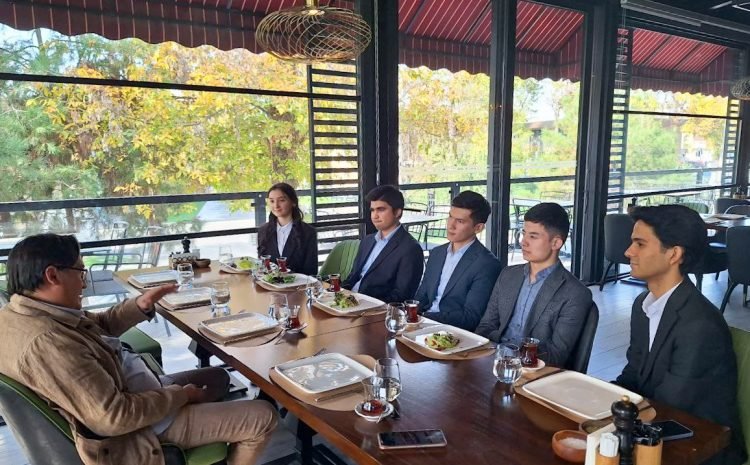
CEO of Mosaic Insurance Group, Mr. Oybek N. Khalilov organized important mentoring meeting with five of the most talented students of the Tashkent State Economic University. This was a unique event that provided students with the opportunity to meet a leading insurance entrepreneur and gain valuable advice and guidance.

The meeting was held in an informal atmosphere, which allowed students to feel comfortable and free to ask questions. Mr. Oybek shared his experience in the insurance industry, talked about his successes and failures, and also emphasized the importance of continuous learning and skill development.

Students, in turn, asked questions about various aspects of business, ranging from strategic planning and risk management to personal effectiveness and leadership. Mr. Oybek answered every question with pleasure, shared his knowledge and gave useful advice based on his wealth of experience.

At the end of the meeting, Mr. Oybek thanked the students for their active participation and expressed hope for further cooperation. He emphasized that young people are the future of the country and urged them to strive to achieve high results.

The mentoring meeting left a vivid impression on the students. They gained valuable knowledge and inspiration for their future professional growth. Such events are an important part of education as they allow students to learn from successful and experienced people, as well as build their professional networks.

We hope that such meetings will become a tradition and will be held regularly so that students have the opportunity to meet with leading experts and receive valuable guidance for their future success.

II Forum of the TSUE Development Strategy: Global and National Economic Trends

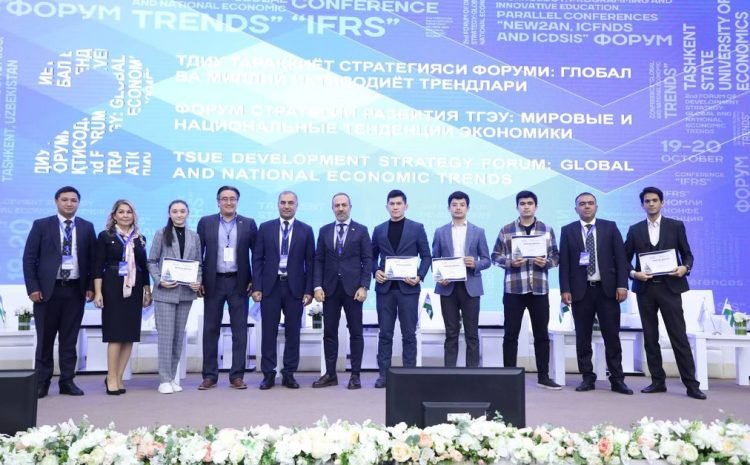
On October 19, at the last “II Forum of the TSUE Development Strategy: Global and National Economic Trends,” the CEO of Mosaic Insurance Group, Oybek N. Khalilov, made a report “On Catastrophic Risks”, where the latest data and analytical conclusions were presented.

In addition, a video clip was shown during the speech to make it more understandable for the students. Also, Mr. Oybek presented mentorship certificates on his behalf to 5 students who were active in the question-and-answer session.

Oybek N. Khalilov emphasized the main focus of his report on the study of insurance risks associated with natural disasters. It has been noted that these risks have a significant impact on the insurance industry and the global economy as a whole.

Particular attention was paid to insurance cases that occurred over the past 10 years. The short-term and long-term humanitarian, social and economic losses incurred as a result of natural disasters were clearly demonstrated.

II INTERNATIONAL INSURANCE SUMMIT OF TÜRKIYE

On September 25, the first day of the II INTERNATIONAL INSURANCE SUMMIT

OF TÜRKIYE took place, where representatives of the local and foreign insurance markets, as well as professors and scientists in the field of insurance took part.

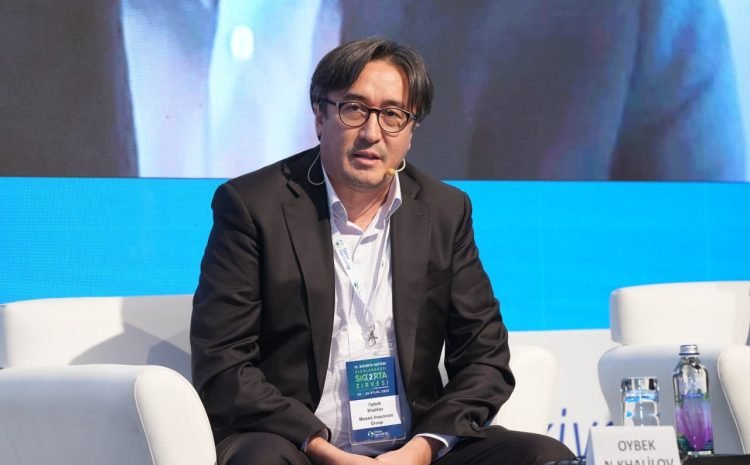
At the summit, the Chairman of the Association of Professional Participants of the Insurance Market of Uzbekistan, General Director of MOSAIC INSURANCE GROUP Oybek N. Khalilov, made a report “Trends in the insurance market of Uzbekistan and opportunities for regional cooperation,” in which he presented the latest trends in the insurance and reinsurance market of Uzbekistan, analyzed the impact of global trends on insurance market of Central Asia, as well as the resulting opportunities and prerequisites for regional cooperation.

Mr. Oybek N. Khalilov answered a number of burning questions regarding catastrophic risks and their reinsurance possibilities.

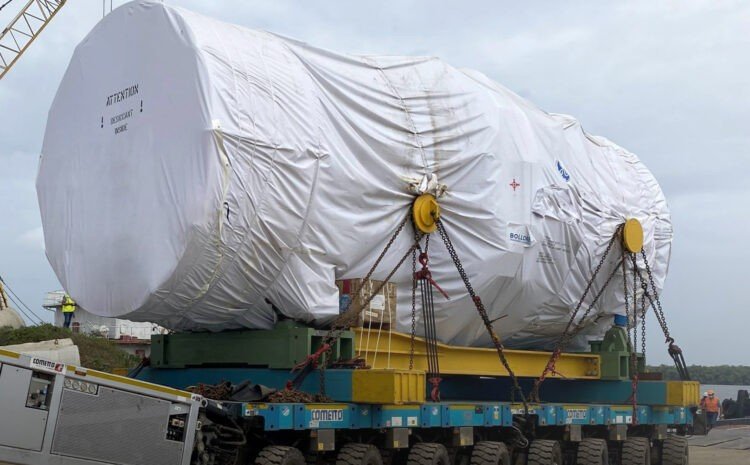
Seminar «Risks of Marine Infrastructure Projects and Risk Monitoring»

Dear friends and colleagues,

We are pleased to invite you to the seminar «Risks of Marine Infrastructure Projects and Risk Monitoring», which is organized by Mosaic Insurance JSC. Our team will be glad to see you at this event as our guest.

Kurt Ebek will be the first to give a lecture at the event. Member of the Board of Directors of Mosaiс Insurance.

«I will come and give the first training course in offshore cargo and infrastructure project risks and DSU / ALOP insurance. This is a general idea of how large and heavy cargo is insured, what is behind the thinking and how it is insured. When transporting and insuring large and heavy project cargo, there are several aspects of ensuring a safe voyage from one port to another for cargo with time limits for delivery».

Event program:

09.00 – 09.30 Registration of the participants

09.30 – 11.00 «Marine Infrastructure project Risk and Delay in-start-up underwriting». Speaker — Kurt Ebek, with 30 years of experience in Marine insurance, worked in different top positions at AIG, Allianz, Zurich and other insurance companies

Interview with Oybek Nosirovich Khalilov, General Director of Mosaic Insurance Group

Could you give us brief description of what is financial lines insurance?

First of all, financial lines stands for insurance products which cover the financial losses and costs associated, losses not related to other personal property damages. Usually, financial lines insurances will include the risks like directors’ and officers’ liability, cybercrime, and bankers blanket bonds.

What is D&O insurance? Why D&O insurance is important for corporates?

   D&O is a well-known concept globally in the insurance market. Most of the countries the leaders, the managers, the directors and officer, the “C” level officers, they wouldn’t even take the job if they don’t have an insurance. Basically this covers the risks related to the financial losses and risks brought by the third parties against the decisions made by directors and officers of the company. It is essential to have this policy not only for the good governance purpose but also it helps to improve the management decisions, the managers don’t have to be afraid of huge financial burden on their personal accounts if they make a wrong decisions.

What is the advantage of MIG in terms of financial lines insurance? Why people should choose MIG over other insurance companies? 

First of all, we are the first local insurer who is underwriting D&O policy, the other Uzbekistan insurance companies; they  issue D&O polices not themselves but representing international players. So they do not write the business themselves, they just front it. We have our own professional underwriters and we are building our  expertise based on local knowledge and statistics  and we are trying to analyze those risks which are covered.  The current environment in Uzbekistan is very unique for Uzbekistan itself, so we cannot just take overseas products and we have to adjust them to local environment even though I am for 22 years used to work in AIG, and AIG is one of the main leaders in financial lines.

What is D&O insurance? Could you further explain why it is important?

The Law of RU “On Joint-Stock Companies and protection of shareholders’ rights” clearly states that the manager bears personal responsibility for the decisions he makes. That is, if as a result of his erroneous or negligent actions damages the interests of third parties, he may be sued or claim from the company, shareholders, employees, creditors, customers, the regulator and another third person may appear.

D&O insurance policies offer third-party liability cover for company managers to protect them from claims which may arise from the decisions and actions taken within the scope of their regular duties.

And the cause of the claim can be any mistaken decision in the management of the company, starting with errors, inaccuracies in the financial statements, prospectuses; Non-observance of the procedure for conducting major transactions, incorrect disclosure of the stated material facts, incorrect evaluation of investments and transactions; intended misuse of information or copyright, etc.

D&O policies cover the personal liability of the company directors and officers as individuals (Side A cover), but also the reimbursement of the insured company in case it has paid the claim of a third party on behalf of its managers in order to protect them (Side B or Company Reimbursement Cover). Listed stock companies can also obtain cover for claims against the company itself for a wrongful act in connection with the trading of its securities (Side C or Securities Entity Cover).

4.   How does the D&O insurance work? Could you explain further with some example?

In order to better understand the essence of D&O insurance, we give an example of how a policy works in a specific situation, often encountered in practice: A shareholder who acquired 30% of the shares of the joint stock company sent a public offer to the other shareholders for the acquisition of their shares (mandatory offer). Simultaneously with this offer, the Board of Directors sent its shareholders recommendations, developed without taking into account the opinion of the independent auditor. The minority shareholder accepted the mandatory offer based on the information received from the board of directors, and sold the securities. Subsequently it was found out that the cost of selling these shares was significantly less than the market value, as a result of which the shareholder filed a lawsuit against the members of the board of directors to recover damages caused to him. The court made a decision to recover damages in favor of the plaintiff in the amount of the difference between the acquisition price and market value.

Another example of an insurance event was a Russian company listing in the US, became a subject of an antimonopoly investigation in Russia, which caused a significant drop in the rate of its shares. American shareholders (mainly funds) recorded losses and despite the fact that the original reason was already settled in Russia, filed lawsuits against the directors of the Russian company for incomplete disclosure of information. The Russian issuer was forced to spend almost three years in the US court, and despite the fact that the claim was rejected as a result, he incurred about $ 2 million in defense costs. The client was fully justified – he did not have to pay a refund. Nevertheless, the insurance company paid the costs of protecting its client, who at one time safely insured its financial risks by buying an international policy D&O.

Common D&O risk scenarios are:

·   Employment Practices & HR issues

·   Shareholder actions

·   Reporting errors

·   Inaccurate or inadequate disclosure

·   Misrepresentation in a prospectus

·   Decisions exceeding the authority granted to a company officer

·   Investigations into compliance with regulations or laws

So that means the D&O insurance cover legal costs arising from the incident?

From the examples we see that, despite the fact that the policy is called liability insurance, in fact it is insurance of expenses that the client can incur as a result of bringing a suit to him. So often it turns out that the costs of lawyers and the conduct of cases in court exceed the reparation itself, which was determined by a court decision. At the same time, it is worth noting that the policy covers not only the costs of reimbursement of damages, but also other expenses that may arise in the insured person during the consideration of charges brought against him for criminal and administrative violations in court, these are the costs of the investigation, Expenses for reputation restoration and other emergency expenses.

The law says the manager bears personal responsibility for the decisions he makes. So what are the risks faced by the management of the corporation?

It should also be noted that the risk of the CEO of the company increases due to the fact that he is potentially responsible for any actions or omissions of the company. Even if he himself did not personally participate in the decision (and / or did not know about it) and the corresponding actions or inactions were committed by other officials or employees of the company, the risk lies with the leader by default.

The risks faced by members of the boards of directors and boards are constantly growing. Risks arise in the course of the daily activities of the company. And in order to reduce the negative consequences of negligence or negligence of management and make up for financial losses in case of incorrect decisions, the protection instrument comes into force as D&O policy.

How did D&O insurance come to popularity? What are the international practices?

If you go deeper into history, back in the 30s of the last century the leaders of big business thought about the risks associated with their personal responsibility. During the Great Depression of the 30s two important legislative acts were adopted in the USA: the Securities Act of 1933 and the Investment Law of 1934, which established personal responsibility of directors for wrong actions, and companies had no right to compensate losses to their directors. So the market was offered a unique product to protect the personal financial interests of directors. And although insurance did not gain wide popularity, the need for insurance was recalled a little later.

In 1940-1950-ies in the United States, a number of laws were passed allowing corporations to enter into agreements with their directors to compensate them for damages. Such agreements began to reflect in the financial statements as additional obligations, and the companies began to seek the possibility in any way to remove this risk. The insurers remembered the almost forgotten product “Protection of personal finances”, slightly upgraded it and offered the market D&O liability insurance policy.

Since the mid-50s the number of D&O policies in the US is steadily growing. If in 1965 this policy was acquired by 10% of large corporations, then in the 1970s, the number of its customers has grown to 70-80%. Following the United States, European companies are actively starting to buy this insurance. To date, in the West, almost 100% of public companies have protection under the D&O policy.

In your opinion, what risk factors are faced by directors on Uzbekistan?

Returning to Uzbekistan, it should be said that there were cases of claims against the directors, but no official information, whether these losses were reimbursed. In Uzbekistan, unfortunately, there is legal illiteracy of leading employees. But, ignorance of the legislation does not absolve anyone from responsibility. To date, in our country, the practice of presenting a claim specifically to an official, and not to the company itself, has not yet developed, but it is obvious that raising the standards of information disclosure by issuers in Uzbekistan will inevitably lead to an increase in the level of risk of managers’ liability.

I want to think positively and believe that Uzbekistan will nevertheless fit into the global insurance practice with clear criteria and requirements for managers that will allow them to be held accountable for their wrong actions, which will undoubtedly affect the quality of corporate governance in companies and on the economic system of Uzbekistan as a whole.

What is not covered?

A D&O policy does not cover fraudulent, criminal or intentional non-compliant acts. Nevertheless, innocent directors remain fully covered if they are co-defendants, even if the acts of their colleagues were intentional and fraudulent.

D&O will also not cover cases where directors obtained illegal remuneration, or acted for personal profit. All activities which are covered by another insurance policy, such as Professional Indemnity, are either excluded in D&O policy or the D&O cover is only provided after erosion of that other policy.

Other common D&O exclusions are: Property damage and bodily injury; Legal action already taken when the policy begins; Claims made under a previous policy; Claims brought by one insured against another insured; Claims alleging Environmental damage.

Does D&O insurance encourage managers to behave negligently?

No. D&O is not a blank check for bad behavior. This frequently made assertion is not specific to D&O but rather has to do with the basic issue of liability cover, and yet opinion leaders who demand that managers should “get what they deserve” eclipse the real facts: no amount of research can show that managers behave any less responsibly when insured by a D&O policy.

The opposite is true. The process of a public lawsuit and financial losses, the possibility of corporate and personal reputational losses and all the other pains that accompany a claim made against a manager are a major deterrent. A D&O policy does not automatically cover all these losses, as they are quite complex and largely outside its scope.

Furthermore, D&O insurance enables the insurance industry and regulators to collect objective data about acts that lead to claims and to better monitor these trends.

Limits and personal deductibles allow insurers to adjust their policies to individual persons or companies as well, leading to better corporate governance.

In an environment of ever-tightening management liability regulations, D&O cover therefore provides an essential tool for both steering good business practice and handling the growing risks directors and officers face.