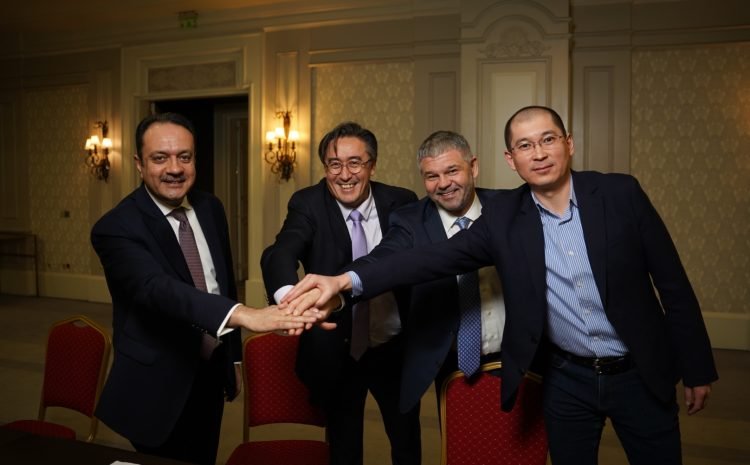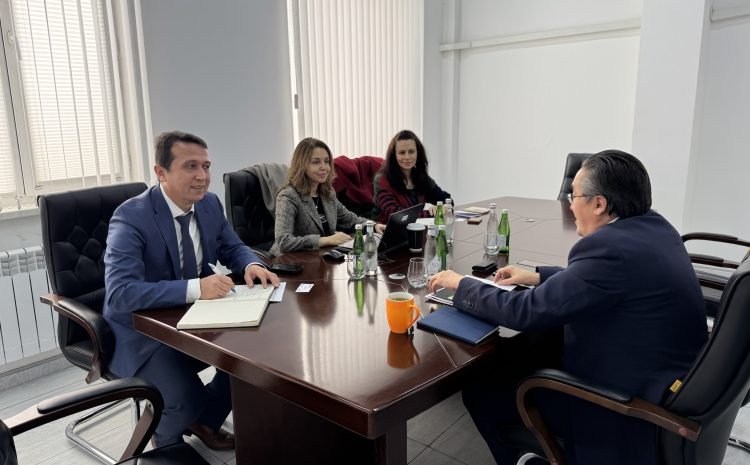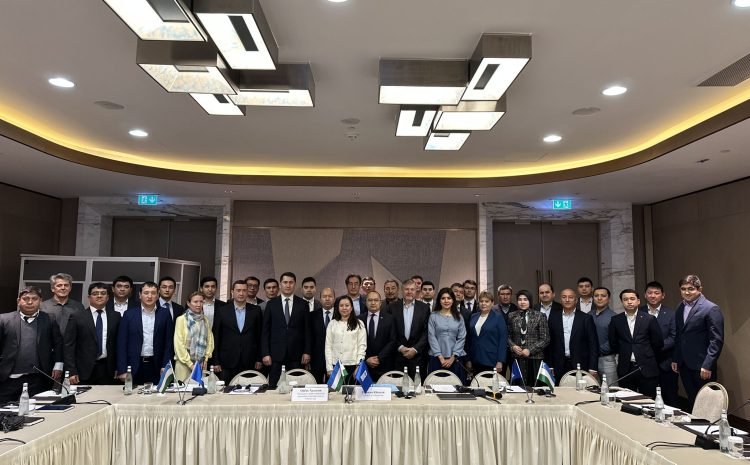
The signing of the Memorandum of Understanding (MoU) by AmCham leaders from Kazakhstan, Kyrgyzstan, Tajikistan, and Uzbekistan represents a pivotal moment in the economic evolution of Central Asia. This landmark initiative goes beyond a symbolic agreement—it lays the foundation for a structured, institutionalized business framework that will shape cross-border investment, trade policies, and corporate governance in the region for years to come.
Why This MoU Matters
- Institutionalization of the Regional AmCham Network 2.0
Historically, business chambers in Central Asia have operated independently, often facing challenges in synchronizing their efforts across borders. By adopting a regional model inspired by AmCham EU, AmCham Middle East, and the Asia Pacific Council of AmChams, this initiative will standardize economic policies, investment incentives, and corporate advocacy—leading to a harmonized business environment.
New Era of Cross-Border Investment: The MoU sets a precedent for businesses expanding beyond national markets—reducing bureaucratic hurdles and enhancing legal transparency for foreign direct investments (FDI).
Sector-Specific Coordination: By aligning industry best practices, particularly in insurance, energy, finance, and technology, the initiative fosters a regional economic bloc with increased global competitiveness.
2. Architecting a Unified Business Vision: Strengthening Regional Cooperation
The AmCham Central Asia initiative is a strategic step toward fostering a more integrated and resilient business environment across the region. By enhancing cooperation among AmCham chapters, this initiative aims to create a more attractive landscape for global investors and businesses.
🔹 Insurance & Risk Management for Mega-Projects
A key component of regional economic growth is ensuring that large-scale projects in construction, energy, and infrastructure have access to robust risk management and reinsurance solutions. Strengthening these mechanisms enhances financial security, encourages foreign direct investment, and supports long-term project sustainability.
🔹 Policy Advocacy for International Standards
Aligning regulatory frameworks with international best practices, such as Solvency II principles, contributes to a more predictable and transparent business environment. By promoting risk-based capital requirements and regulatory consistency, this approach enhances investor confidence and facilitates smoother cross-border economic collaboration.
Through collective action and strategic alignment, AmCham leaders are working toward a more connected and investment-friendly Central Asia, fostering regional stability and long-term economic growth.
- Key Policy Areas Addressed: Future-Proofing Central Asia’s Economy
Beyond traditional business networking, the MoU sets a precedent for deep institutional reforms in several critical areas:
✔️ ESG (Environmental, Social, and Governance) Standards – Introducing sustainable investment criteria into cross-border projects to align with global corporate responsibility trends.
✔️ Cybersecurity & Digital Economy – Tackling data protection and cross-border cybersecurity concerns to facilitate the safe expansion of digital financial services.
✔️ FDI & Trade Policy Harmonization – Creating a regional investment roadmap that standardizes tax incentives, legal protections, and trade dispute resolutions.
- U.S. & European Engagement: Strengthening Global Economic Linkages
The MoU is not just about Central Asia—it aligns with broader U.S.-Central Asia trade relations and Europe’s growing interest in the region.
Connecting with AmCham EU & the U.S. Business Community: Central Asian AmChams can now collaborate with multinational corporations (MNCs) through structured engagement programs.
B5+1 Initiative Integration: This initiative strengthens regional economic diplomacy by creating a unified voice for Central Asia in high-level negotiations with the United States.
The Road Ahead: Turning Strategy into Execution
The real test of this MoU will be implementation. The success of this initiative depends on:
🔹 Creating measurable KPIs (Key Performance Indicators) for cross-border projects
🔹 Building a centralized AmCham data platform to track business expansion trends
🔹 Launching a permanent regional AmCham office for operational efficiency
🔹 Securing funding from international financial institutions (IFIs) to support long-term projects
This is just the beginning. Central Asia is no longer just an emerging market— the region is well-positioned to unlock its full economic potential.