
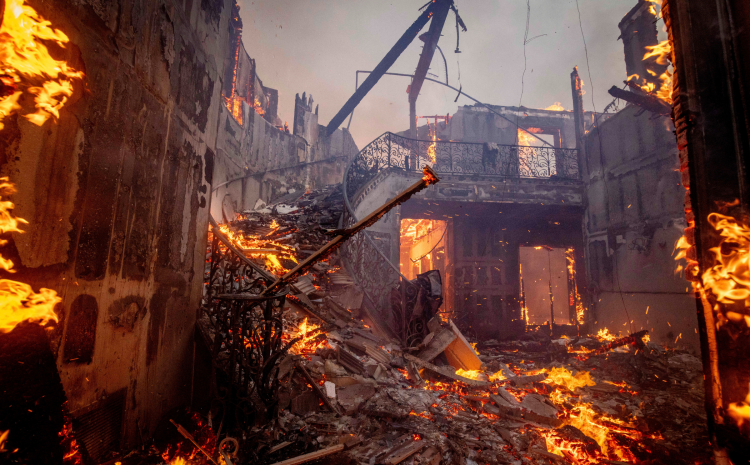
California Wildfires Threatens Home Insurance Market
The recent wildfires in Los Angeles are putting California’s efforts to stabilize its home insurance market to the test. As wildfire risks escalate, many insurers have withdrawn from the state, making coverage increasingly expensive and difficult to obtain.
State Farm’s recent departure, which reduced coverage in Pacific Palisades by 70%, underscores the growing crisis. Homeowners unable to secure traditional insurance must turn to the FAIR Plan—a state-backed program designed as a last resort for those who cannot obtain private market coverage. These policies are typically more expensive and provide less coverage than commercial plans. With FAIR Plan enrollments surging, concerns about its ability to cover claims are rising, though officials assert the program remains solvent with $2.5 billion in reinsurance.
New state regulations now permit insurers to factor climate change into premium calculations and pass reinsurance costs onto consumers. While these measures have encouraged some insurers to re-enter the market, critics warn they could also lead to steep rate increases.
While government agencies have yet to release preliminary damage estimates, AccuWeather projects first estimate damages and economic losses from the wildfires could reach $250 billion to $275 billion.
Experts predict rising insurance premiums in the wake of the fires, but the broader impact on California’s insurance market remains uncertain. The state’s new policies aim to balance affordability with industry sustainability, yet homeowners in high-risk areas may continue to face challenges securing coverage.
The challenges facing California’s insurance market highlight a global trend: climate change-driven catastrophes are reshaping risk assessment and underwriting strategies. Uzbekistan, while not prone to wildfires, faces its own climate-related challenges, including extreme weather events and infrastructure risks.